
California Estate Planning: Why Separate Property Planning Matters
In our recent newsletter, Katie A. Lindsey, Esq., Certified Specialist in Estate Planning, Trust, and Probate Law, explains why it is critical to plan for how separate property is distributed at death. Without a plan, California’s intestacy rules will determine where your assets go (and the results are not always what a family would expect.)

California’s Default Distribution Scheme
If you pass away without an estate plan, California has one for you. The state’s intestacy rules dictate where your assets go, including your separate property. A surviving spouse inherits all of a deceased spouse’s separate property only if there are no children, grandchildren, parents, siblings, nieces, or nephews. Otherwise, the surviving spouse receives only a portion, with the remainder passing to other relatives.
This “one-size-fits-all” scheme can create outcomes that feel unfair or unintended.
Example scenarios include:
- A couple planned to rely on one spouse’s inheritance for retirement, but after his passing, half of the inheritance went to his siblings, leaving the surviving spouse with far less than expected.
- A remarried individual passed away shortly after marrying again, resulting in the new spouse inheriting half of the deceased’s separate property, even though most of that property had been accumulated during the first marriage and was intended for the deceased’s children.
What Is Separate Property?
In California, separate property includes:
- Assets owned before marriage
- Assets received as a gift
- Assets inherited during the marriage
If you have significant separate property, leaving distribution up to the state’s default rules can create stress, conflict, and financial disruption for surviving spouses and children.
Long-Term vs. Short-Term Marriages
California’s scheme can produce very different results depending on the length of the marriage:
- Long-Term Marriage: The surviving spouse may receive less than the deceased spouse would have wanted, leaving them financially vulnerable.
- Short-Term Marriage: The surviving spouse may receive more than the deceased spouse would have intended, displacing children or other family members the deceased would have preferred to benefit.
How to Avoid These Outcomes
The only way to ensure your wishes are followed is to create an intentional estate plan. Options include:
- Dividing your separate property between your spouse, children, or others in whatever percentages you choose.
- Creating a trust to hold separate property, providing for your surviving spouse during their lifetime, with the remainder passing to children or other heirs.
The Takeaway
Planning ahead is the best way to avoid surprises and prevent conflict. A well-drafted estate plan ensures your separate property is distributed according to your wishes, protecting your spouse, children, and other loved ones.
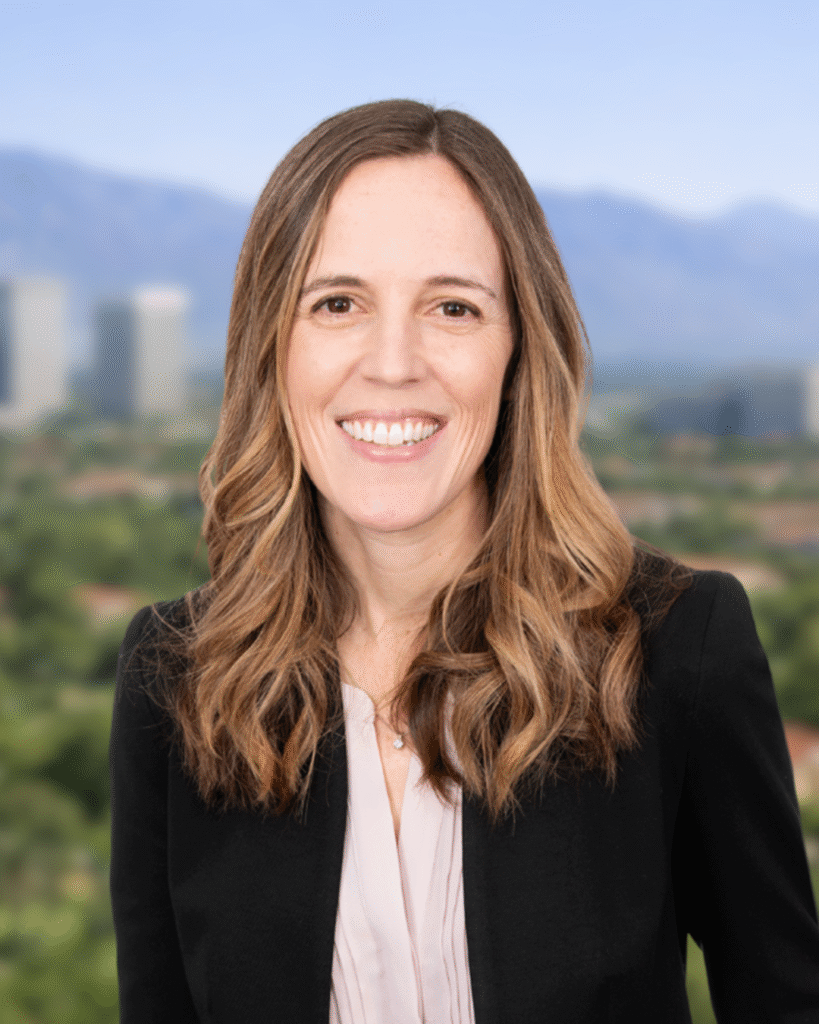
Meet Katie A. Lindsey Esq.
Associate, Law Stein Anderson, LLP
Katie Lindsey, Esq. is a Certified Specialist in Estate Planning, Trust, and Probate Law by the California State Board of Legal Specialization. She focuses her practice on estate planning, trust administration, and probate matters. Katie works closely with clients to design comprehensive estate plans and guides trustees and personal representatives through the trust administration and probate process. Her background in litigation enhances her ability to provide practical, thorough counsel across all aspects of her practice.