
Hot Take Thursday: Can I Just Use AI to Write My Will or Trust?
Welcome to Hot Take Thursday, our weekly series where we ask attorneys at Law Stein Anderson to weigh in on timely legal questions.

This week’s question:
“If a friend asked you, ‘Can I just use AI to write my will or trust?’ what would your answer be?”
Attorneys Desiree, James, Monique, Allison, Erin, and Nate weighed in.
With artificial intelligence becoming part of everyday life, it’s a question more people are beginning to ask. AI can draft documents, explain legal concepts, and answer questions in seconds. The real question isn’t what AI can do; it’s what still requires human judgment.
Despite their different answers, a common theme emerged: estate planning involves far more than simply generating a legal document.
So what does that mean in practice? Let’s explore the “why” behind this hot take.
Estate Planning Is More Than Filling in the Blanks
Artificial intelligence has become remarkably good at generating content and text. It can explain legal concepts, answer general questions, and even generate documents that resemble professionally prepared estate planning documents.
The challenge is that estate planning isn’t simply about producing a document. It’s about creating a plan tailored to your unique family, assets, and long-term goals.
Consider two families with similar assets. One has children from a previous marriage. The other has a child with special needs. While their financial picture may look similar, the planning strategies that best serve each family could be very different. The challenge isn’t simply identifying those facts; it’s determining how they should shape the overall estate plan.
A trust that looks complete on paper may still fall short of accomplishing your goals if important planning decisions—or the proper implementation steps—are overlooked.
The Questions Are Only the Beginning
No two estate plans are exactly alike because no two families, financial situations, or long-term goals are exactly alike.
An experienced estate planning attorney doesn’t simply draft documents; they help clients navigate decisions that often have significant legal, financial, and personal implications.
AI can certainly ask thoughtful questions about your family, assets, and goals. The difference lies in how those answers are interpreted. An attorney can recognize when an answer raises additional legal considerations, explain the advantages and tradeoffs of different planning strategies, and recommend an approach tailored to your specific circumstances.
For example, your attorney may discuss:
- Whether a trust is appropriate based on your goals and the types of assets you own
- How to protect beneficiaries who are minors, have special needs, or may benefit from structured distributions
- Whether business ownership or real estate should influence your planning strategy
- How beneficiary designations coordinate with your overall estate plan
- Whether tax planning, creditor protection, or family dynamics warrant additional planning
- Who should serve as trustee, executor, or agent under a power of attorney
Estate planning isn’t simply about collecting information; it’s about interpreting that information and designing a strategy that reflects your wishes while helping protect the people you care about. That’s a distinction that’s easy to overlook when a document can be generated in seconds, but it’s often where the greatest value of estate planning lies.
A Trust Is Only Part of the Process
One of our attorneys mentioned trust funding, and it’s an important point.
Creating a trust document is only one step. In many cases, assets must also be properly transferred into the trust for it to function as intended. Beneficiary designations may need to be reviewed, ownership of certain assets may need to be updated, and the overall estate plan should work together as a coordinated strategy.
Without proper implementation, even a well-written trust may not accomplish the goals it was created to achieve.
Why Attorneys Mention Litigation
Several of our attorneys mentioned litigation, and for good reason. Estate disputes are often less about whether a document exists and more about whether it clearly reflects the person’s intent and was properly implemented.
Estate litigation isn’t always caused by obvious mistakes. More commonly, it arises when documents are unclear, fail to address important circumstances, or don’t align with the way assets are actually owned.
Thoughtful planning today can help reduce confusion, conflict, and unnecessary legal challenges for loved ones later.
AI Can Be a Helpful Tool, Just Not the Final Decision-Maker
There’s nothing wrong with using AI to learn about wills, trusts, probate, or estate planning terminology. In fact, becoming an informed client can make conversations with your attorney even more productive.
Where AI falls short is exercising legal judgment.
It cannot replace the experience of an attorney who understands your family’s circumstances, your state’s laws, and the planning strategies available to help accomplish your goals.
The Bottom Line
AI is changing the way people gather information, and it can be a valuable educational resource. But when it comes to protecting your family, preserving your legacy, and creating an estate plan that reflects your unique wishes, personalized legal guidance still matters.
If you’re considering creating or updating your estate plan, an experienced estate planning attorney can help ensure your estate planning documents work together to reflect your wishes and help protect the people who matter most.
Attorneys Featured in This Week’s Discussion

Erin M. Beranek, Esq.
SENIOR ASSOCIATE
Erin Beranek represents individuals and families in connection with comprehensive estate planning and trust administration matters.

Allison C. Gordon, Esq.
SENIOR ASSOCIATE
Allison Gordon is a litigation attorney with Law Stein Anderson, LLP, with over ten years of experience practicing law in Southern California.

Nathan R. Loftin, Esq.
SENIOR ASSOCIATE
Nathan (“Nate”) Loftin focuses his practice on trust administration, estate planning, tax planning, probate, and Proposition 19.

James C. Man, Esq.
ASSOCIATE
James Man advises clients on complex estate planning, tax planning, family office representation, business law, and real estate transactions.

Monique Nevarez, Esq.
ASSOCIATE
Monique Nevarez advises clients in the complex areas of tax planning, business formation, and creating a solid estate plan.
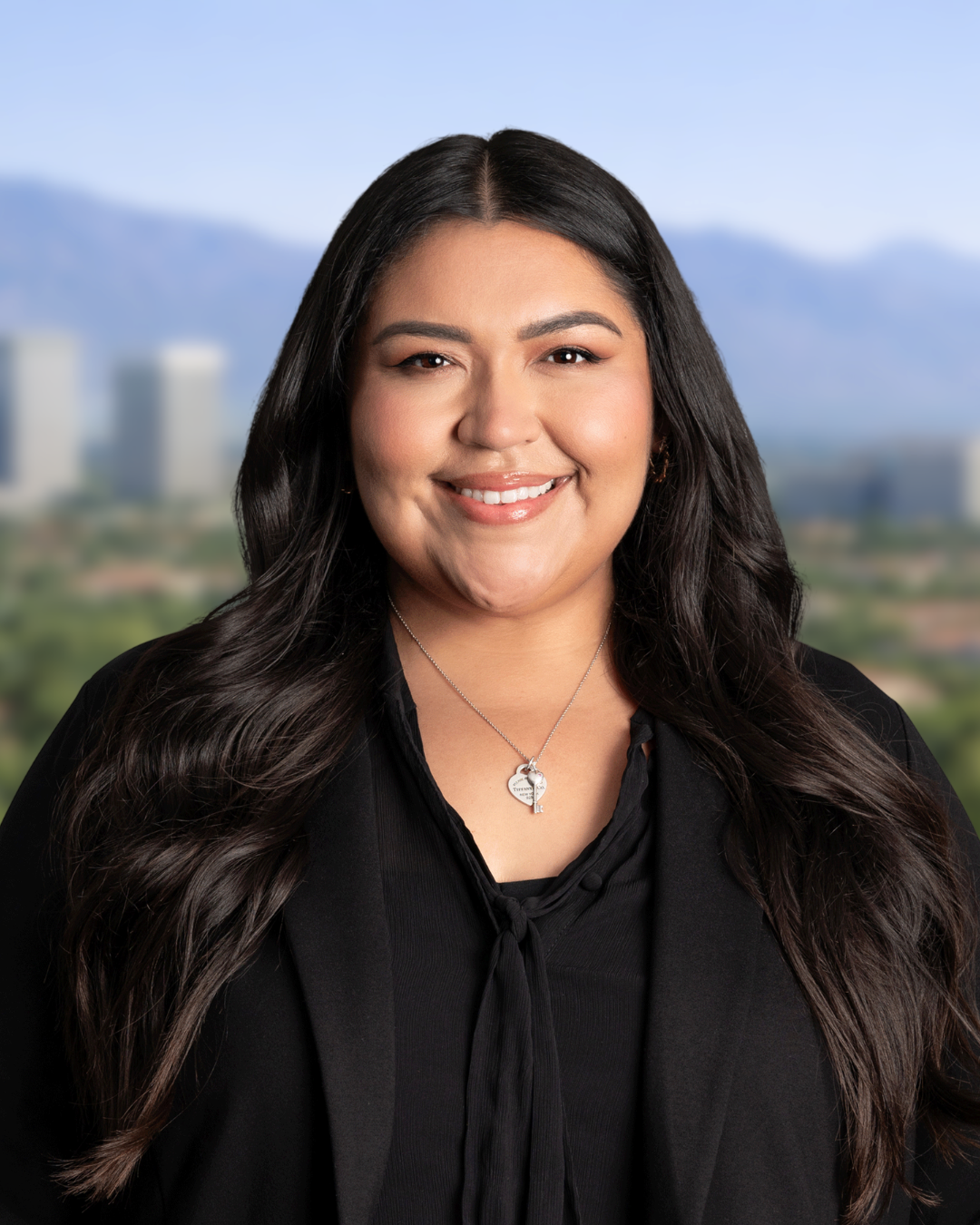
Desiree F. Rivera, Esq.
ASSOCIATE
Desiree Rivera focuses her practice on estate planning, trust administration, and business formation with LLC’s and corporations.