
Hot Take Thursday: The True Test of an Estate Plan
Welcome to Hot Take Thursday, our weekly series where we ask attorneys at Law Stein Anderson to weigh in on timely legal questions.

This week’s prompt:
“The true test of an estate plan isn’t when it’s signed, it’s when ________.”
Attorneys Christine Allen, Charlotte Flanigan, Katie Lindsey, Nate Loftin, Desiree Rivera, Pearl Walker, and Christina Yee all shared their perspectives.
Each attorney completed the sentence a little differently, but together their answers tell a larger story: the effectiveness of an estate plan is measured by how it performs when it’s called upon.
So what does that mean for your own estate plan?
The Real Test Comes During Estate Administration
Signing your estate planning documents is an important milestone, but it’s only the beginning.
The true test comes later, when your executor, trustee, or loved ones must carry out your wishes. During estate administration, every decision you’ve made—and every detail you may have overlooked—becomes important.
A well-designed estate plan should answer questions before they arise, provide clear instructions, and help minimize confusion during an already emotional time.
Estate Planning Mistakes Often Aren’t Discovered Until It’s Too Late
One of the challenges with estate planning is that you usually don’t know whether your plan works until someone has to rely on it. Unfortunately, that’s often after you’ve passed away or become incapacitated. At that point, unclear language, outdated documents, missing beneficiary updates, or poorly coordinated assets can create unnecessary delays, disagreements, or even litigation.
That’s why experienced estate planning attorneys think beyond the signing appointment. They consider how your estate plan will function during administration and whether it will provide clear guidance when your loved ones need it most.
A Good Estate Plan Should Make Things Easier for Your Family
When someone passes away, loved ones are already dealing with grief. The last thing they should face is uncertainty about what you wanted. A comprehensive estate plan should help:
- Clearly communicate your wishes
- Minimize family conflict
- Provide guidance for your executor or trustee
- Coordinate your assets and beneficiary designations
- Help ensure your plan functions as intended during administration
The goal isn’t simply having documents in place. The goal is creating a plan your family can confidently follow.
Challenges Can Reveal Weaknesses in an Estate Plan
Several attorneys pointed out another important reality: sometimes the true test comes if an estate plan is challenged.
Whether disagreements arise between beneficiaries or questions develop about the validity of certain documents, thoughtful planning can often reduce uncertainty and strengthen your estate plan before those issues ever arise.
While no attorney can guarantee disputes won’t occur, careful drafting and proactive planning can help reduce the likelihood of confusion and conflict.
The Bottom Line
An estate plan isn’t complete simply because the documents have been signed. Its true success is measured years later, when your loved ones need clear guidance during one of life’s most difficult moments.
A thoughtfully prepared estate plan should do more than express your wishes—it should help make carrying them out as smoothly as possible. If it’s been several years since you reviewed your estate plan, or if your family or financial circumstances have changed, it may be time to revisit your documents with an experienced estate planning attorney. Contact our attorneys today to schedule an appointment to review your estate plan.
Attorneys Featured in This Week’s Discussion

Christine M. Allen, Esq.
PARTNER
Christine Allen is a Partner with Law Stein Anderson, LLP, and represents those involved in complex litigation matters with over 15 years of experience.

Charlotte A. Flanigan, Esq.
SENIOR ASSOCIATE
Charlotte Flanigan possesses over 15 years of expertise in estate and income tax planning, probate and trust administration, and business law.
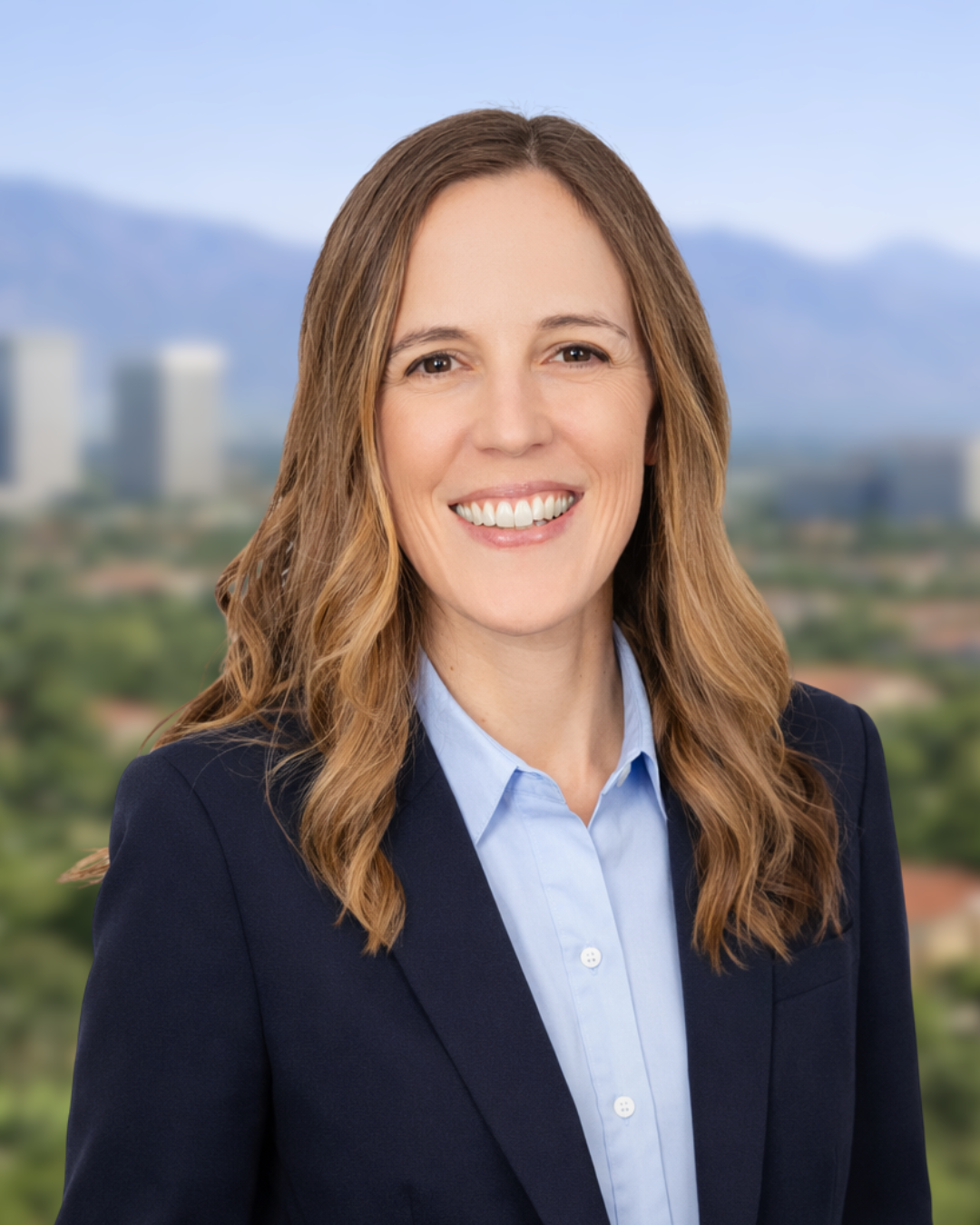
SENIOR ASSOCIATE
Katie Lindsey is an attorney with extensive expertise in estate planning, trust administration, and probate law.

Nathan R. Loftin, Esq.
SENIOR ASSOCIATE
Nathan (“Nate”) Loftin focuses his practice on trust administration, estate planning, tax planning, probate, and Proposition 19.
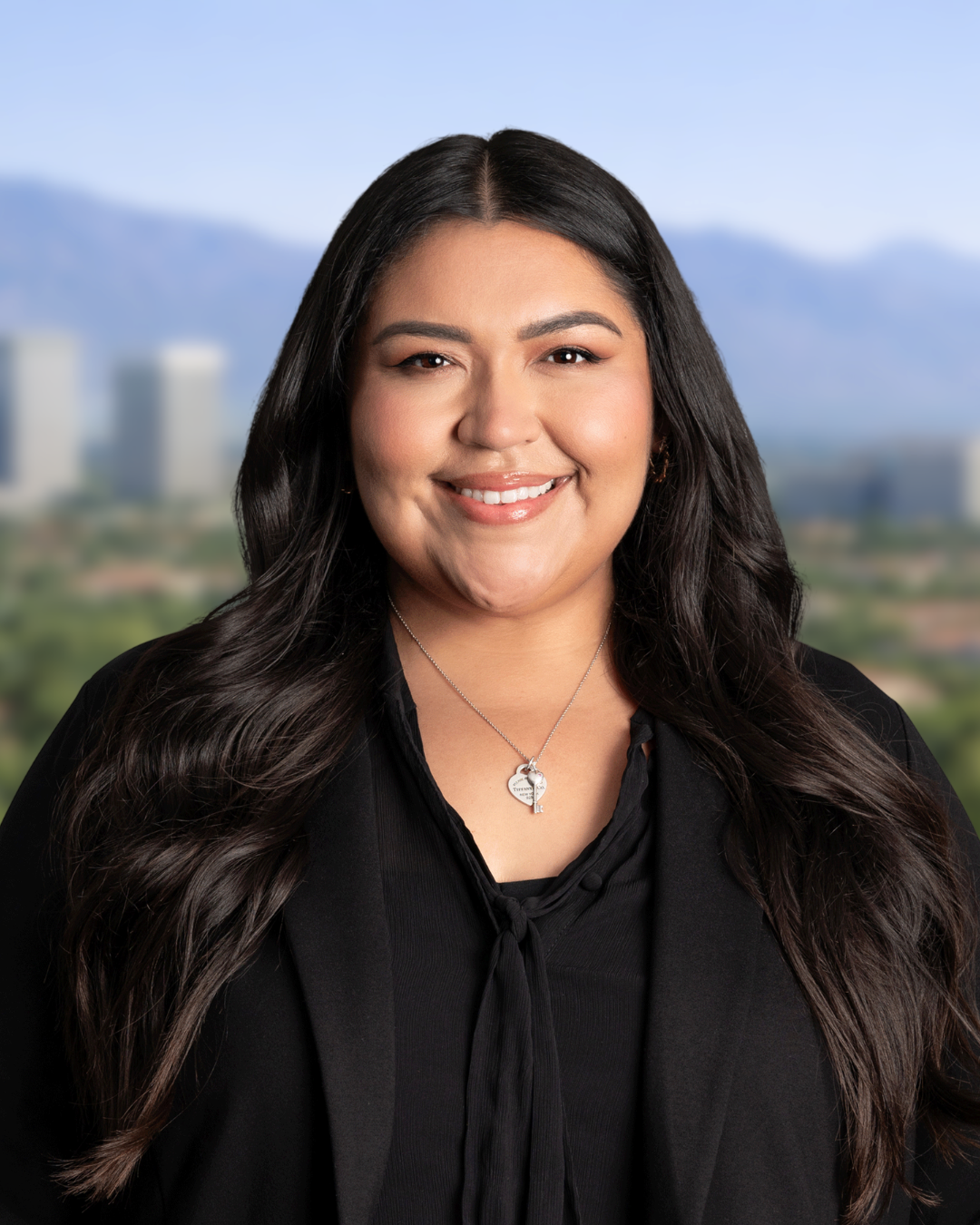
Desiree F. Rivera, Esq.
ASSOCIATE
Desiree Rivera focuses her practice on estate planning, trust administration, and business formation with LLC’s and corporations.

Pearl Walker, Esq.
ASSOCIATE
Pearl Walker’s practice focuses on trust and estate litigation, probate disputes, and civil litigation matters, including personal injury and business-related claims.

Christina B. Yee, Esq.
SENIOR ASSOCIATE
Christina Yee is a senior associate with Law Stein Anderson, LLP. Her practice focuses primarily on probate litigation.