
From Law Clerks to Lawyers: A Midyear Reflection with Oudey and Orel
Not too long ago, Oudey Tadros and Orel Shilon were law clerks at Law Stein Anderson, learning the ropes, working alongside our attorneys, and preparing for the next step in their legal careers.
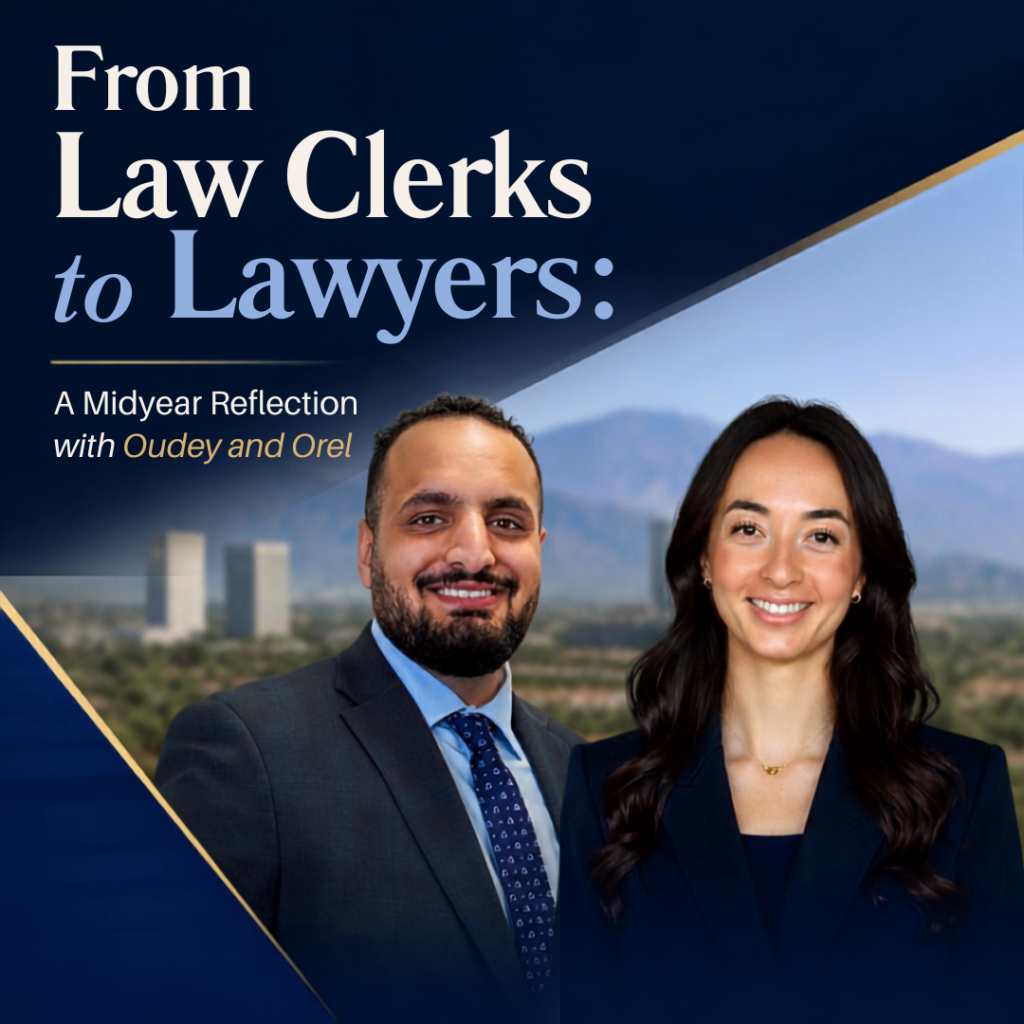
Today, they’re the attorneys.
With the first half of their first year of practice now behind them, we thought it was the perfect time to check in. What feels different on the other side of the bar exam? What has surprised them? What lessons from their time as law clerks have stuck with them? And, perhaps most importantly, has being an attorney started to feel normal yet?
We asked Oudey and Orel to reflect on the transition so far.
The “I’m Actually the Attorney” Moment
There’s learning how to be an attorney, and then there’s the moment you realize that people are actually looking to you as the attorney.
Was there a specific moment in your first few months of practice when it hit you: “I’m the attorney now”?
Oudey: I felt that shift when I began taking the lead on client matters. As a law clerk, you are often helping an attorney work through an issue, but as an attorney, you become the person responsible for understanding the client’s goals, identifying the issues, and helping determine the best way to accomplish those goals.
Orel: It started to feel real when I began having more direct conversations with clients about their trusts and estates and realized they were looking to me to explain the issues and guide them through their options.
What You Don’t Know Until You’re Doing It
Law school and clerking can prepare you for a lot, but some parts of practicing law can only be understood once you’re in the role.
What’s something about being an attorney that you couldn’t fully appreciate until you were actually practicing?
Oudey: How much of the job is about judgment and problem-solving rather than simply knowing the law. Particularly in estate planning and trust administration, there is rarely a one-size-fits-all solution. You have to understand the legal, tax, financial, and practical implications of a decision and then explain those considerations to the client in a way that allows them to make an informed decision.
Orel: How personal trust and estate work can be. You are dealing with people during difficult family situations, after the loss of a loved one, or when significant assets are involved, so being a good attorney requires not only knowing the law but also knowing how to communicate and navigate those dynamics.
From Clerkship to Practice
Fortunately, neither Oudey nor Orel walked into their first day as attorneys unfamiliar with the firm or the work. Their time as law clerks gave them a front-row seat to the practice before officially stepping into their new roles.
What’s one thing you learned as a law clerk at LSA that you find yourself relying on now?
Oudey: To always understand the purpose behind the work you are doing. Whether I am reviewing a trust, researching a tax issue, or drafting estate planning documents, I try not to look at the assignment in isolation. Understanding what the client is ultimately trying to accomplish makes it much easier to identify issues and come up with practical solutions.
Orel: To be thorough and think one step ahead. It is not enough to identify the issue; you also have to think about what it means for the client and what needs to happen next.
Looking Back at the First Half
The first several months of practice come with plenty of firsts, challenges, and moments of growth.
What’s a moment from the past several months that made you feel proud of how far you’ve come?
Oudey: Being able to work through increasingly complex matters more independently has been very rewarding. There have been several times where I have been able to identify an issue, research and analyze the different options, and come back with a recommendation for how we should proceed. Seeing that progression from assisting with matters as a law clerk to actively helping develop solutions for clients has made me appreciate how much I have grown.
Orel: Handling assignments that I previously would have needed a lot of guidance on and realizing that I can now work through them independently and come to my own conclusions.
Learning as They Go
Of course, growth doesn’t happen without a few challenges along the way. We asked Oudey and Orel what has stretched them the most as they’ve settled into their new roles.
What has challenged you or helped you grow the most so far?
Oudey: Learning how all of the different pieces of a client’s situation fit together has probably helped me grow the most. Estate planning and trust administration can involve everything from tax and property issues to family dynamics and long-term financial considerations. Learning to look beyond the immediate legal question and understand how one decision may affect the rest of the plan has made me a much more thoughtful attorney.
Orel: Taking ownership of matters. Knowing that my analysis and recommendations actually affect the client has pushed me to become more confident and deliberate in my work.
Advice From the Other Side
Having made the leap from law clerk to attorney themselves, Oudey and Orel now have a little perspective on what it’s like to make that transition.
What’s one piece of advice you would give to a law clerk who is about to make the same transition?
Oudey: Take advantage of your time as a law clerk to understand the “why” behind the work you’re doing. Don’t just focus on completing the assignment—ask how it fits into the larger matter, what the client is ultimately trying to accomplish, and why one approach may be better than another. Developing that habit early makes the transition to practicing much easier because you’ve already started training yourself to think beyond the task in front of you.
Orel: Trust what you already know, but stay open to the advice and perspectives of your colleagues. You will not suddenly know everything once you become an attorney, and learning how more experienced attorneys approach and navigate matters can be just as valuable as knowing the law itself.
Looking Ahead
They may have come a long way since their days as law clerks, but their first year of practice is only halfway through.
Now that you’re halfway through your first year, what are you most excited to get better at, take on, or experience next?
Oudey: I am most excited to continue growing my transactional skills and gaining a deeper understanding of everything that estate planning, trust administration, and tax planning entails. I want to become better at recognizing how those areas intersect and at structuring plans that address both a client’s immediate concerns and their long-term goals. I am also looking forward to taking on more responsibility and becoming someone clients can rely on to guide them through increasingly complex matters.
Orel: I’m most excited to continue developing my skills as a litigator, learn more about the intricacies of estate planning, and become more comfortable with handling matters independently from start to finish.
In just the first half of their first year, Oudey and Orel have already shown the confidence, judgment, and dedication they bring to their roles as attorneys. Their transition from law clerks to lawyers has been an exciting one to watch, and with a strong start behind them, we’re looking forward to seeing all they continue to accomplish at Law Stein Anderson.