The Great Wealth Transfer Is Also a Great Planning Crisis
By Shauna R. Anderson, Esq.
The phrase The Great Wealth Transfer has been everywhere lately, but the conversation often focuses too narrowly on money.
The harder truth is that many Baby Boomers either have no estate plan or have one that is outdated, incomplete, or no longer reflects their wishes.
As this generation ages, the result will not only be a transfer of wealth. It will also be a wave of families facing preventable conservatorships, probate proceedings, conflict, delay, and heartbreak because the right plan was never put in place.
Every estate plan—or the lack of one—ultimately affects the family members left to navigate it. When the right plan isn’t in place, questions like, “Who has authority to help Mom now?” “Do we have to go to court for Dad?” or “Is this really what they wanted?” often arise while a family is already managing care, emotions, and urgent decisions.
That is why estate planning is about much more than deciding who inherits your assets. It is about helping your family avoid conservatorship during your lifetime, avoid probate after you’re gone, and reduce the conflict, uncertainty, and expense that can arise when documents are missing, outdated, or unclear.
If You’re a Parent: Make Sure Your Plan Works When Your Family Needs It
If you’re a parent, protection is not just about deciding who receives what. It is also about making sure your family is not forced into court if you become incapacitated, if your plan is incomplete, or if your documents no longer reflect what you want.
A thoughtful estate plan allows you to decide in advance who you trust to help with finances, health care decisions, and day-to-day matters if you ever need support. It can also help your family avoid probate after you’re gone.
As you think about whether your own plan is complete, current, and clear, ask yourself:
- If I became incapacitated, would my family know who has legal authority to help me?
- Have I chosen the right people to make financial and health care decisions if needed?
- If I became unable to manage my own affairs, would my family have to go to court?
- Would my plan help my loved ones avoid probate after I pass away?
A current estate plan does not make illness, aging, or loss easy, but it can keep your family from having to solve preventable problems in court.
If You’re an Adult Child: Ask Whether the Plan Is Complete, Current, and Clear
If your parents have not talked about incapacity, conservatorship, probate, or whether their estate plan is still current, you are not alone.
Many families avoid these conversations because they feel uncomfortable. It is easy to worry that estate planning sounds like asking about money, when the real concern is often avoiding conservatorship, probate, and disputes later.
Sometimes all it takes is a simple question:
- “If something happened and you needed help making decisions, who would have legal authority to step in?”
- “Have you updated your estate plan so it still reflects what you want and helps us avoid court if possible?”
- “Do we know where your documents are and who we should call if there is an emergency?”
Those conversations may feel awkward today, but they can spare your family from fear, confusion, delay, and court involvement later.
Missing, Outdated, or Unclear Documents Can Create Complicated Problems
Estate planning is not only about who receives assets. The real value of an estate plan is often in what it helps your family avoid, such as preventing conservatorship, probate, and family disputes before they become court cases.
When a plan is complete, current, and clear, it gives your family a roadmap. It can name trusted decision-makers, provide authority to manage finances and health care, help avoid probate, and reduce the risk that loved ones will be forced into court to figure out what you meant.
When no plan exists, or when a plan has not been updated in years, families can be left trying to piece together a loved one’s wishes while also facing the possibility of conservatorship during incapacity or probate after death.
Planning gives your loved ones the comfort of knowing they are honoring your voice, not guessing at it in a moment of grief, fear, or conflict.
We are often called in when families are already in the middle of a complicated situation. We are proud to help solve those problems, but we would much rather help families avoid them in the first place.
Do Not Let Court Become Your Family’s Plan
Whether you are a Baby Boomer or the adult child of one, do not assume everything will work itself out. Too many families discover too late that there was no plan, or that the plan no longer worked.
Do not wait until your family needs my phone number on speed dial because a preventable crisis has already begun. A well-documented and clearly communicated plan can help them avoid conservatorship, avoid probate, and avoid the expensive disputes that often arise when no one is sure what should happen next.
Do not leave your loved ones guessing. Give them clarity. Give them direction. Give them your voice.
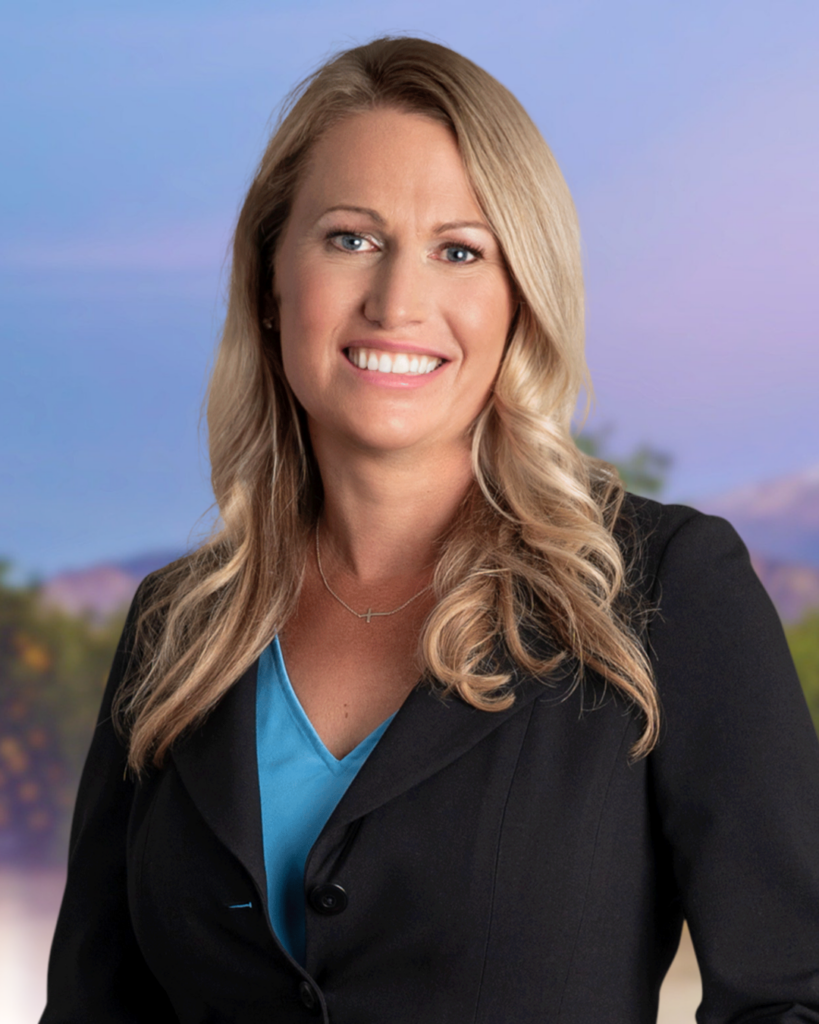
Meet Shauna R. Anderson, Esq.
Partner, Law Stein Anderson, LLP
Shauna R. Anderson is a Partner at Law Stein Anderson, where she focuses on estate planning, trust administration, probate, and trust litigation. As a Certified Specialist in Estate Planning, Trust, and Probate Law by the California State Bar, she helps individuals and families navigate difficult life transitions with thoughtful guidance and strong advocacy.
Known for her steady approach and genuine care for her clients, Shauna works closely with families to protect their wishes, reduce conflict, and help people move forward during emotionally difficult periods.
Outside of her practice, Shauna enjoys spending time with her husband and three children, especially camping, beach days, and being outdoors together.