Top Estate Planning Mistakes Attorneys See Families Make
Welcome to Hot Take Thursday, our weekly series where we ask attorneys at Law Stein Anderson to weigh in on timely legal questions.

This week’s prompt:
“When estate planning, the biggest mistake families can make is ____________.”
Attorneys Matthew Stein, Charlotte Flanigan, Katie Lindsey, Nate Loftin, Monique Nevarez, Desiree Rivera, Pearl Walker, and Christina Yee all shared their perspectives.
While each attorney identified a different mistake, their answers point to one important takeaway: the biggest problems often arise when families leave too much to chance.
Whether it’s relying on unwritten wishes, assuming a simple will is enough, naming trustees who may not be able to work together, or avoiding difficult conversations altogether, uncertainty can create unnecessary stress for the people you care about most.
So what are some of the most common estate planning mistakes families should avoid?
Assuming Your Loved Ones Will “Figure It Out”
Many people believe their family already knows what they want or that everyone will naturally work together when the time comes. Unfortunately, that isn’t always the case.
Without clear instructions, even close families can find themselves facing confusion, disagreements, or legal hurdles while they’re already coping with grief or a loved one’s incapacity.
A thoughtfully prepared estate plan helps remove uncertainty by clearly documenting your wishes and giving the right people the legal authority to carry them out.
Choosing the Wrong People Can Create Conflict
Several attorneys emphasized that one of the most common mistakes is naming co-trustees or successor trustees who may struggle to work together.
Serving as a trustee requires cooperation, communication, and sometimes difficult decision-making. If the people you’ve chosen have a history of conflict or very different approaches, your estate plan could unintentionally create the disputes it was meant to prevent.
Selecting the right fiduciaries is often just as important as deciding how your assets will be distributed.
Don’t Leave Important Conversations Until It’s Too Late
A number of the attorneys also highlighted the importance of communication.
While every family is different, surprising loved ones with major decisions after you’re gone can lead to hurt feelings, misunderstandings, and unnecessary conflict. In many situations, discussing key aspects of your estate plan in advance can help set expectations and answer questions before they become problems.
Estate planning isn’t just about preparing documents; it’s also about preparing the people who will eventually carry out your wishes.
A Will Is Only One Piece of the Puzzle
Another important reminder from this week’s discussion is that a will alone may not provide the comprehensive protection many families expect.
A complete estate plan often includes trusts, powers of attorney, advance health care directives, beneficiary coordination, and other planning tools designed to protect you during your lifetime and help your loved ones after you’re gone.
The right approach depends on your family’s unique circumstances, which is why personalized legal advice is so important.
The Bottom Line
No estate plan can eliminate every challenge, but thoughtful planning can help your family avoid many of the most common ones.
By choosing the right decision-makers, clearly documenting your wishes, keeping your plan current, and having important conversations before they’re needed, you can provide your loved ones with clarity during one of life’s most difficult times.
If it’s been several years since you reviewed your estate plan—or if your family or financial circumstances have changed—it may be time to revisit your plan with an experienced estate planning attorney. Contact the attorneys at Law Stein Anderson to schedule a consultation and make sure your estate plan reflects your wishes and supports the people who matter most.
Attorneys Featured in This Week’s Discussion
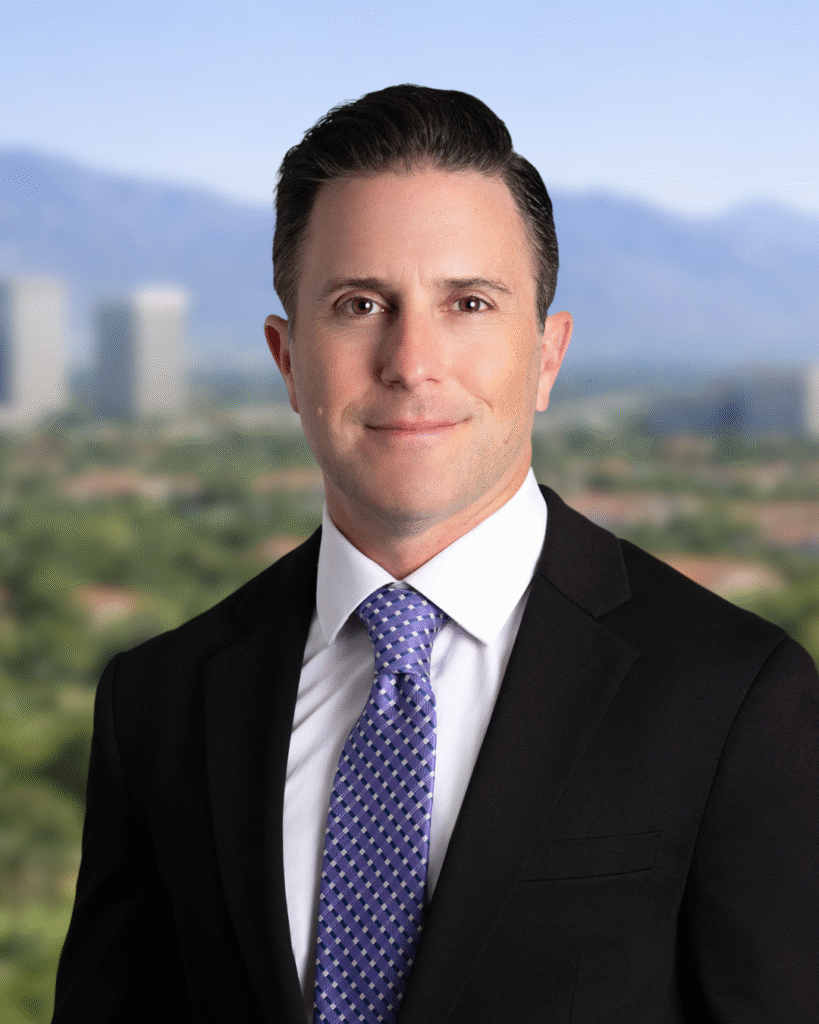
Matthew G. Stein, Esq.
PARTNER
Matthew Stein is a Probate Litigation Attorney and owner of Law Stein Anderson, LLP.
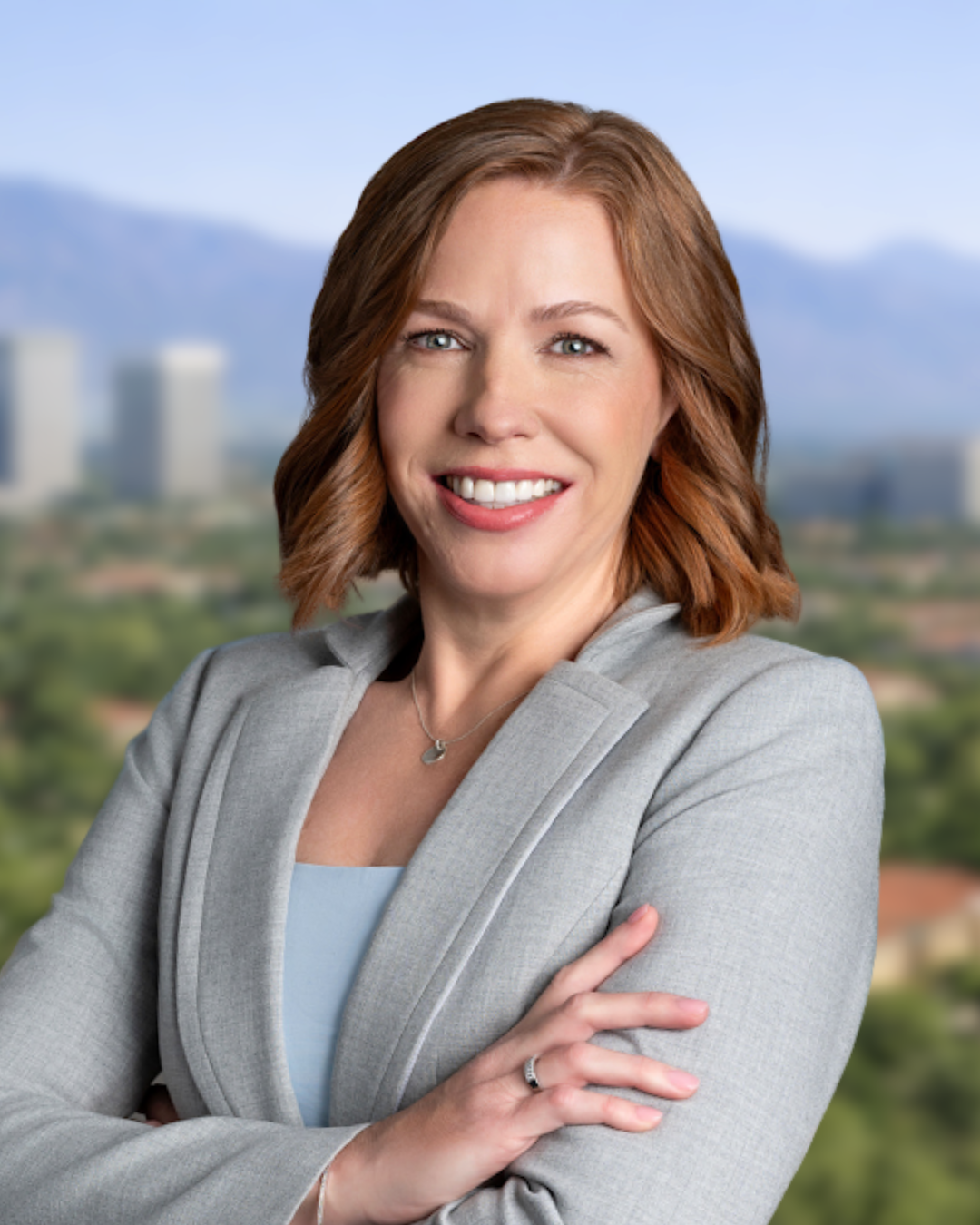
Charlotte A. Flanigan, Esq.
SENIOR ASSOCIATE
Charlotte Flanigan possesses over 15 years of expertise in estate and income tax planning, probate and trust administration, and business law.
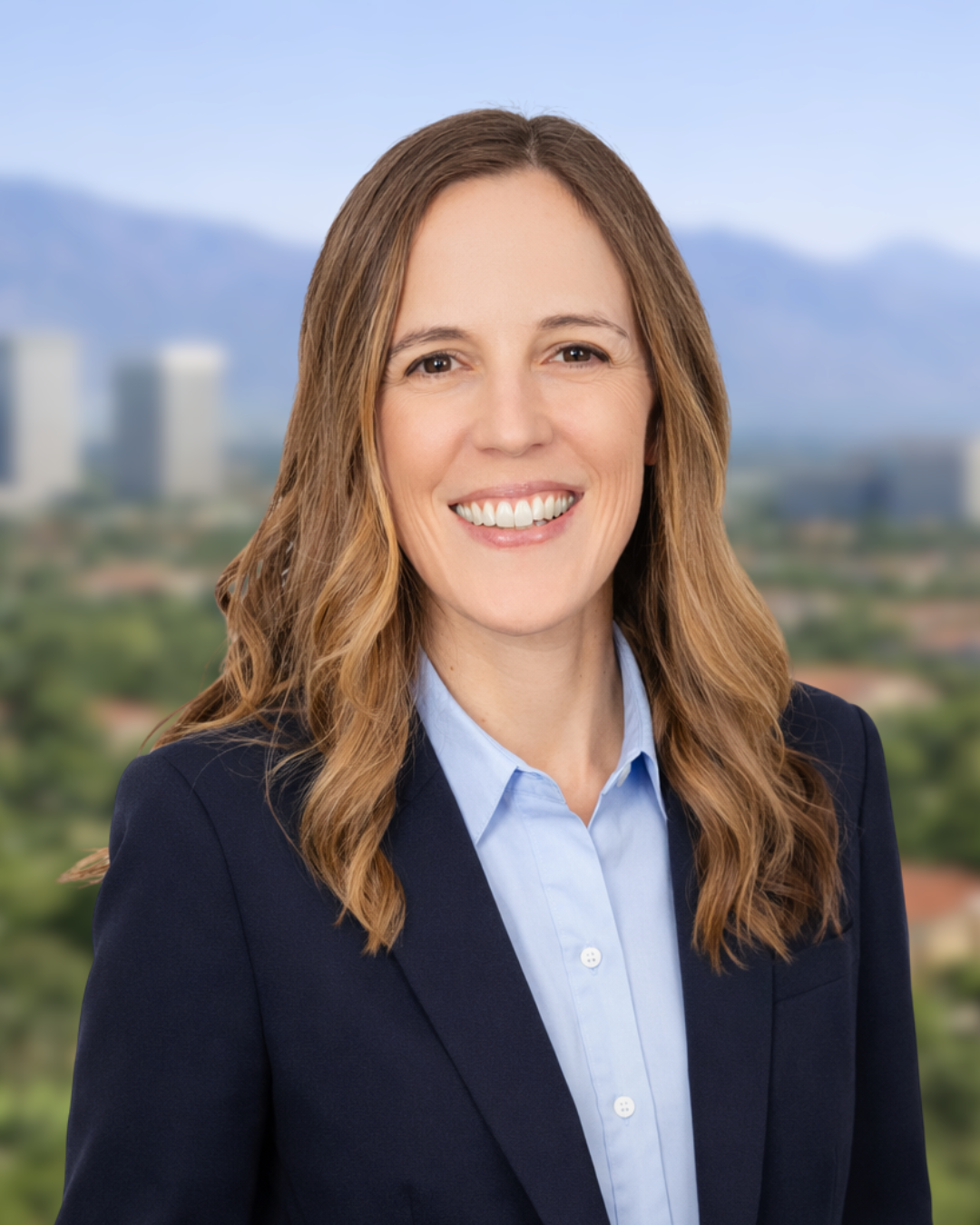
SENIOR ASSOCIATE
Katie Lindsey is an attorney with extensive expertise in estate planning, trust administration, and probate law.

Nathan R. Loftin, Esq.
SENIOR ASSOCIATE
Nathan (“Nate”) Loftin focuses his practice on trust administration, estate planning, tax planning, probate, and Proposition 19.

Monique Nevarez, Esq.
ASSOCIATE
Monique Nevarez advises clients in the complex areas of tax planning, business formation, and creating a solid estate plan.
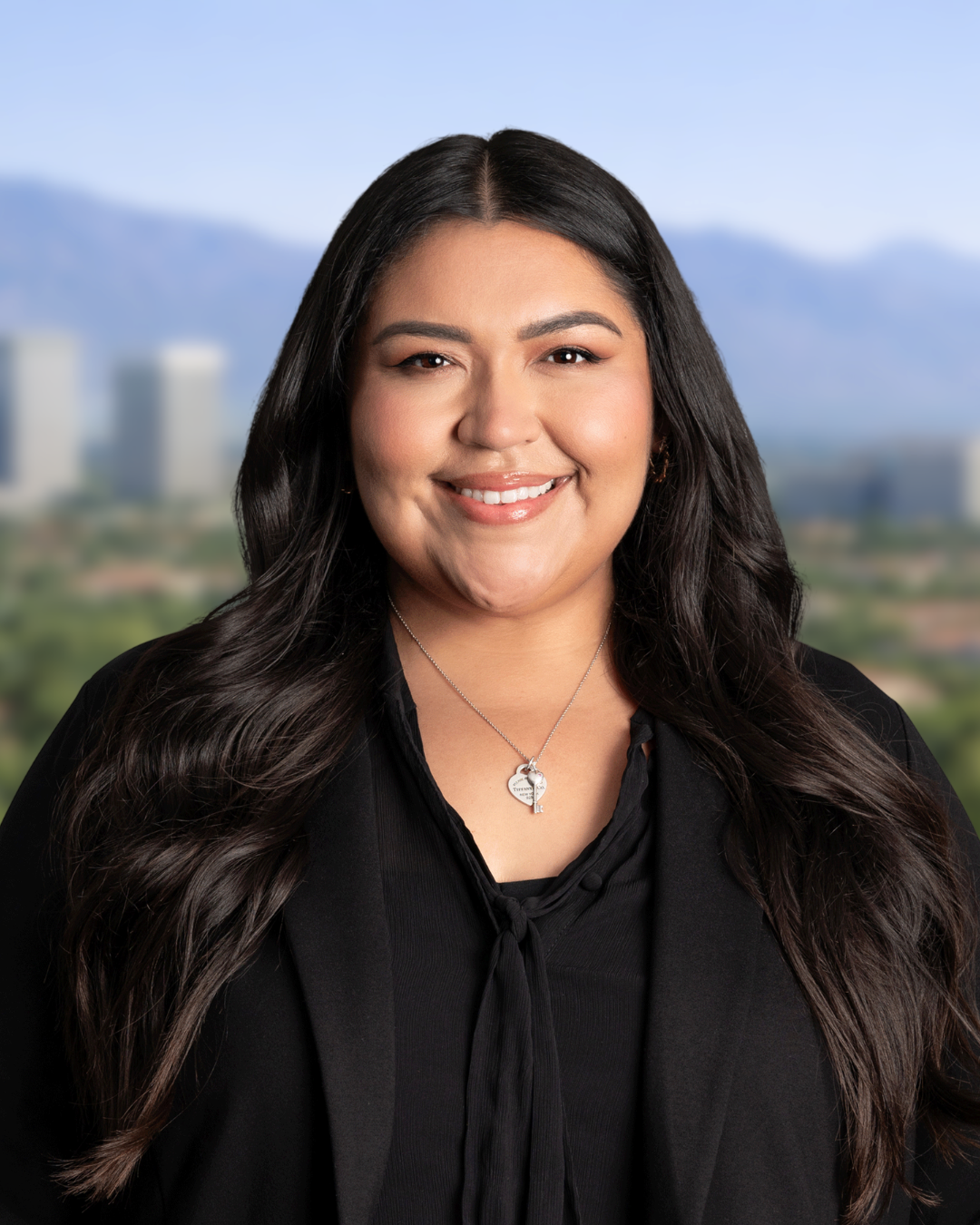
Desiree F. Rivera, Esq.
ASSOCIATE
Desiree Rivera focuses her practice on estate planning, trust administration, and business formation with LLC’s and corporations.

Pearl Walker, Esq.
ASSOCIATE
Pearl Walker’s practice focuses on trust and estate litigation, probate disputes, and civil litigation matters, including personal injury and business-related claims.
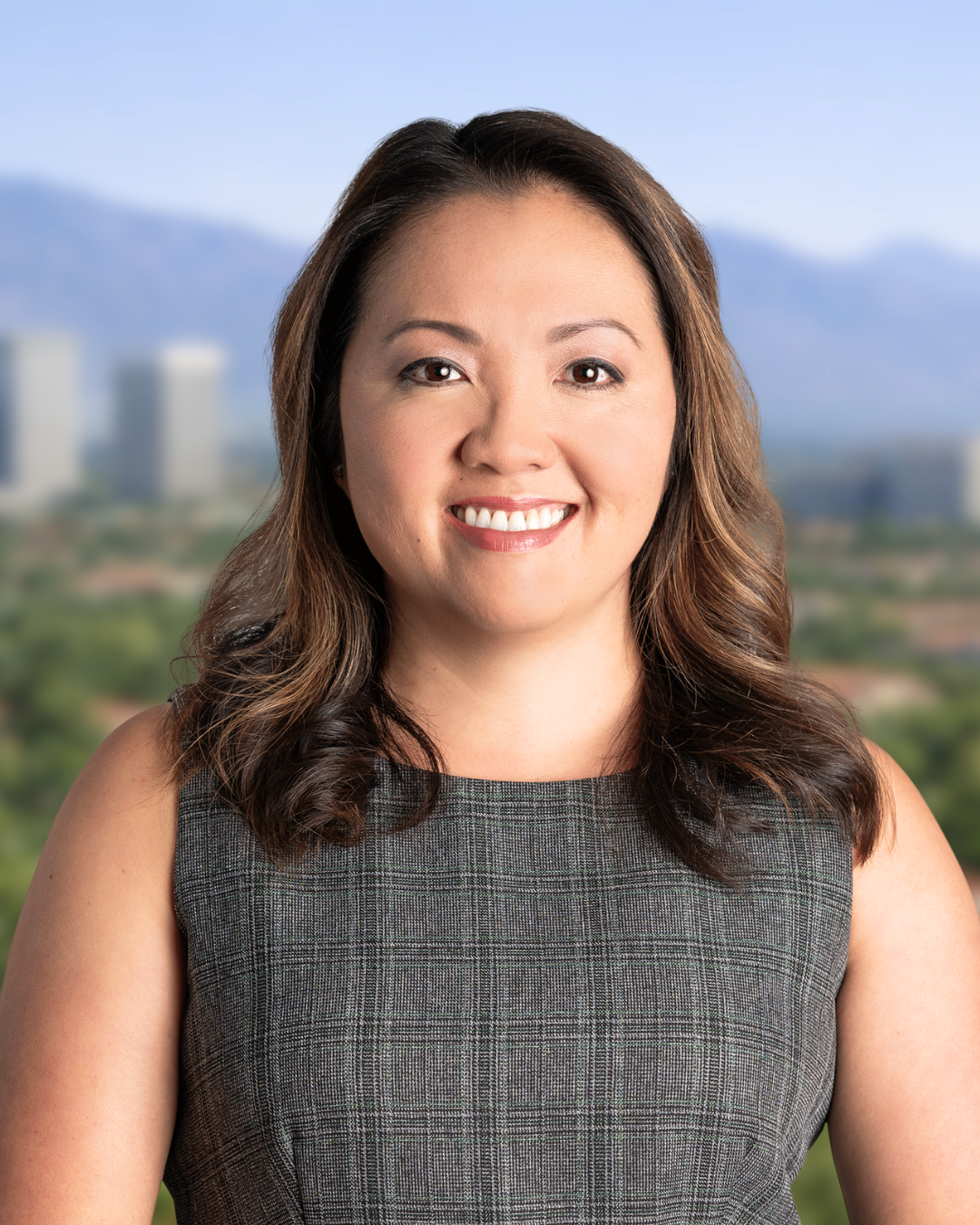
Christina B. Yee, Esq.
SENIOR ASSOCIATE
Christina Yee is a senior associate with Law Stein Anderson, LLP. Her practice focuses primarily on probate litigation.