
Hot Take Thursday: Most Family Disputes After Death Could Be Reduced If…
Welcome to Hot Take Thursday, our weekly series where we ask attorneys at Law Stein Anderson to weigh in on timely legal questions.

Estate and trust disputes may appear to be about money, property, or the language of a legal document. But beneath the legal questions, there is often something more personal: a beneficiary who feels blindsided, siblings who already struggle to work together, or family members who believe important information was withheld from them.
For this week’s Hot Take Thursday, we asked members of the Law Stein Anderson team to complete the following sentence:
“Most family disputes after death could be reduced if…”
Their responses pointed to two closely connected issues: greater communication during the planning process and more careful consideration of who will eventually be responsible for carrying out the plan.
More Honest Conversations Before a Death
Several members of the LSA team emphasized that family conflict frequently begins with a lack of communication.
Christina Yee’s response was straightforward: Many disputes could be reduced if “everyone was more honest and upfront in the beginning.”
That does not necessarily mean every beneficiary must participate in every estate planning decision. Estate planning remains a personal process, and individuals are generally entitled to make their own decisions about their property and legacy. However, when appropriate, some level of communication can help family members understand what to expect, and keep surprise from turning into suspicion.
Desiree F. Rivera similarly emphasized the importance of transparency during the planning process, particularly when it can help address unrealistic expectations.
A child may assume that assets will be divided equally. A family member may believe they will inherit a particular piece of property. Someone who has provided years of caregiving may expect that contribution to be reflected in the estate plan. If those expectations differ from what the plan actually provides, disappointment after a death can quickly become distrust or even litigation.
When individuals feel comfortable being transparent with their beneficiaries during the planning process, Rivera explained, they may have an opportunity to correct those assumptions before they become the basis of a dispute.
Involving Children and Beneficiaries in the Process
James C. Man took that idea a step further, suggesting that disputes may be reduced when children and other beneficiaries are brought into the planning process and important decisions are adequately and thoroughly discussed before death.
Again, involving beneficiaries does not have to mean allowing them to control the plan. It may simply mean explaining the reasoning behind a decision, identifying the person who will serve as trustee, or helping family members understand why inheritances will be structured in a particular way.
These conversations may be especially valuable when an estate plan contains unequal distributions, restrictions on an inheritance, provisions for a family business, or other terms that beneficiaries may not anticipate.
Monique Nevarez also highlighted the importance of transparency when something unexpected appears in an estate plan. A surprising provision may have a thoughtful and entirely legitimate explanation. Without context, however, beneficiaries may interpret that same provision as evidence of unfairness, outside influence, or a mistake.
A conversation during life, or another carefully considered way of documenting the reason for a decision, may not eliminate every objection. It can, however, reduce uncertainty and give beneficiaries a clearer understanding of the person’s intentions.
Choosing a Fiduciary Who Can Manage the Family Dynamic
Communication was only part of the team’s answer. Nevarez also pointed to the selection of the right fiduciary as an important way to eliminate controversy among family members.
The person or institution selected to serve as trustee or executor may be responsible for gathering and managing assets, communicating with beneficiaries, paying expenses, maintaining records, making distributions, and carrying out the terms of the estate plan. Those responsibilities can become considerably more difficult when beneficiaries do not trust the fiduciary, or when the fiduciary is personally involved in existing family tensions.
Bryan K. Johnson identified one situation that can be particularly challenging: parents naming two children who do not get along as co-trustees.
Parents may choose co-trustees because they want to treat their children equally or avoid appearing to favor one child over another. But equal appointments do not necessarily produce equal cooperation. If the children already have a strained relationship, requiring them to make important financial and administrative decisions together can create delays, increase costs, and intensify existing disagreements.
Johnson suggested considering a different family member or a private professional fiduciary instead. Although hiring a private fiduciary involves an additional cost, a neutral person may be better positioned to reduce distrust, manage emotional interactions, and keep the administration moving forward.
The most appropriate fiduciary is not always the oldest child, the closest relative, or the person who expects to be selected. The decision should account for that person’s judgment, reliability, organizational ability, availability, and relationship with the beneficiaries, as well as whether the appointment is likely to help or hinder the administration.
Estate Planning Is Also About Planning for People
The team’s responses share an important theme: A strong estate plan must account for more than assets and legal documents. It should also account for the people who will receive those assets, the expectations they may bring with them, and the individuals who will be asked to administer the plan.
No amount of planning can guarantee that a family will never disagree. Complete transparency may not be possible or advisable in every situation, and even carefully chosen fiduciaries can encounter difficult circumstances. Still, honest communication, realistic expectations, and thoughtful fiduciary selection may prevent avoidable misunderstandings from becoming lasting family disputes.
An experienced estate planning attorney can help identify provisions that may surprise beneficiaries, explore appropriate ways to communicate important decisions, and evaluate whether the proposed fiduciary is well suited to the family’s particular circumstances.
To review your estate plan or discuss strategies for reducing the risk of future conflict, contact the attorneys at Law Stein Anderson.
Attorneys Featured in This Week’s Discussion
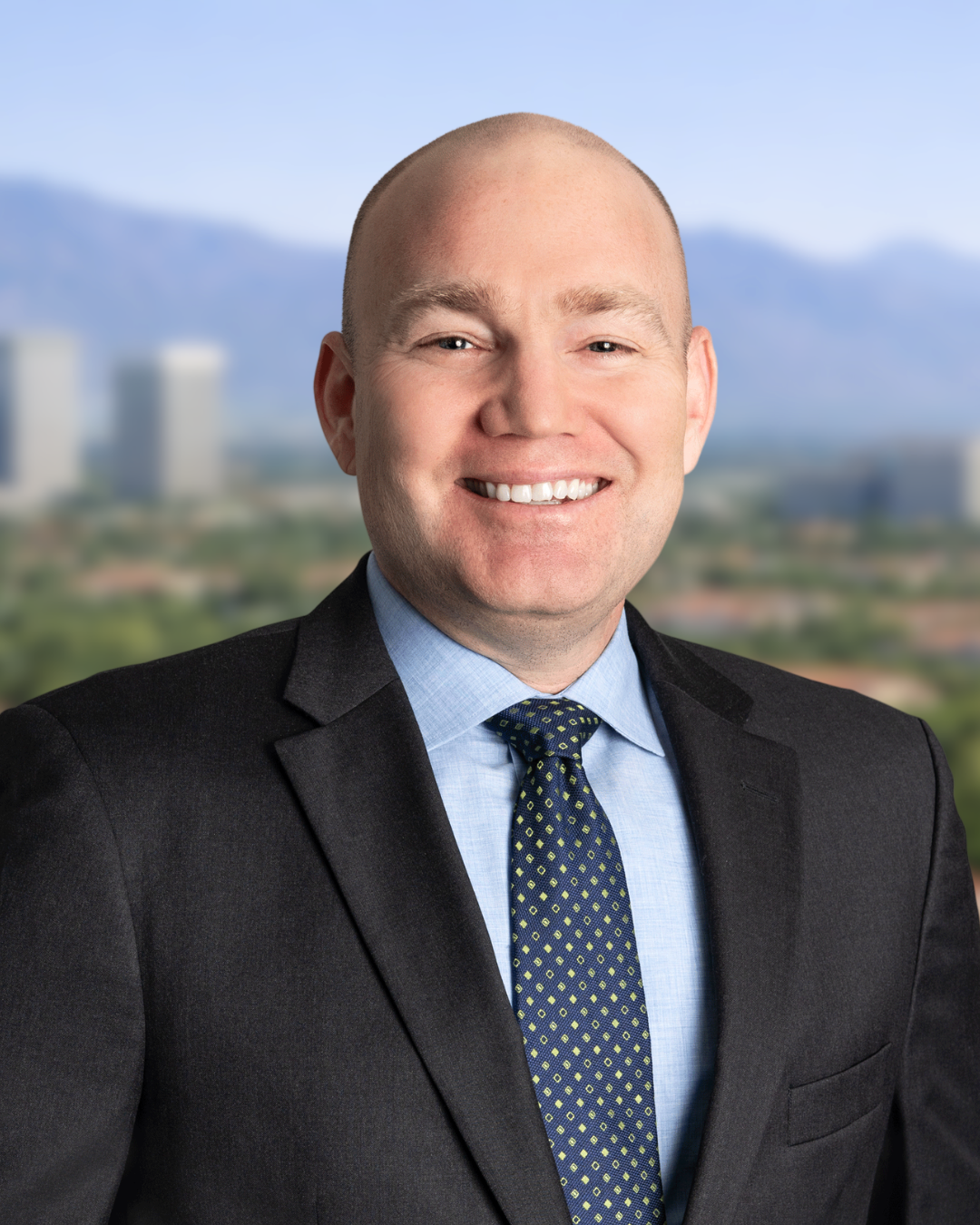
Bryan K. Johnson, Esq.
SENIOR ASSOCIATE
Bryan Johnson specializes in tax law, estates, and trusts. Throughout his career, he has prepared hundreds of estate plans.

James C. Man, Esq.
ASSOCIATE
James Man advises clients on complex estate planning, tax planning, family office representation, business law, and real estate transactions.

Monique Nevarez, Esq.
ASSOCIATE
Monique Nevarez advises clients in the complex areas of tax planning, business formation, and creating a solid estate plan.

Desiree F. Rivera, Esq.
ASSOCIATE
Desiree Rivera focuses her practice on estate planning, trust administration, and business formation with LLC’s and corporations.

Christina B. Yee, Esq.
SENIOR ASSOCIATE
Christina Yee is a senior associate with Law Stein Anderson, LLP. Her practice focuses primarily on probate litigation.