Why Timely Trust Administration Matters
By Katie A. Lindsey, Esq.
A common misconception about revocable living trusts is that, because a trust avoids probate, there is no urgency to administer a trust after a death.
A well-drafted trust is only the beginning. To carry out the settlor’s wishes, protect the trustee and beneficiaries, and avoid unnecessary problems, the trust must also be properly and timely administered after death.
When trust administration is delayed, beneficiaries may be left waiting, trustees may face unnecessary liability, and tax, legal, and practical problems can arise.
The First Spouse’s Death Is an Important Time to Review the Trust
When a married couple has a trust and the first spouse dies, the surviving spouse or trustee should have the trust reviewed by an attorney.
Many married couples’ trusts, particularly older trusts and trusts created for blended families, require assets to be divided into separate shares or subtrusts after the first death. This may include an A/B trust structure, with assets allocated between a Survivor’s Trust and a Decedent’s Trust.
If these provisions are not addressed correctly, problems may arise later. Assets may be allocated improperly, tax reporting may be affected, and disagreements may develop between the surviving spouse and other beneficiaries.
Even if the trust appears simple, the first spouse’s death is a good time to review whether the trust was properly funded, whether any tax filings are required, and whether the surviving spouse’s estate plan should be updated.
Trust Administration Becomes Critical After the Trust Is Irrevocable
After the death of the second spouse, or of a single settlor, the trust generally becomes irrevocable and requires administration.
Depending on the trust and the assets involved, the trustee may need to:
- Provide required notices and information to beneficiaries
- Identify and collect trust assets
- Obtain date-of-death values
- Manage or sell real estate and other property
- Pay debts and expenses
- Address income, estate, and property tax matters
- Keep appropriate records and accountings
- Distribute assets according to the trust’s terms
These tasks should be addressed promptly. The longer an administration remains unfinished, the more opportunities there are for mistakes, missed deadlines, asset-management problems, and disputes among beneficiaries.
Trustees Continue to Have Fiduciary Duties While the Trust Remains Open
While the trustee continues to hold and manage trust assets, the trustee remains subject to fiduciary duties under the trust and California law. Those duties may include managing assets prudently, following the terms of the trust, keeping adequate records, providing information to beneficiaries, and completing the administration within a reasonable period.
Extended delays can increase the risk of beneficiary frustration and disputes over whether the trustee is properly carrying out those duties.
Prompt administration benefits everyone involved. It gives beneficiaries greater certainty and gives trustees a clearer path toward completing their responsibilities.
A Trust Is Not Always Meant to Continue Indefinitely
Another common misconception is that a trustee can leave assets in the trust and continue managing them for the beneficiaries indefinitely if everyone agrees.
That is not always the case.
Some trusts are specifically designed to hold assets for beneficiaries over a period of years. Others direct the trustee to distribute assets outright after the settlor’s death.
If the trust requires outright distribution, keeping assets in the trust long term may create unnecessary complications and may not be consistent with the trust’s terms.
If beneficiaries want to continue owning or managing property together after the administration is complete, another structure may be more appropriate. Depending on the circumstances, a limited liability company or another ownership arrangement may provide a better framework for shared management.
The trustee’s job is to administer the trust that was created, not to convert it into a different long-term arrangement.
Delay Can Create Additional Problems if a Beneficiary or Trustee Dies
An unnecessarily long administration can also become more complicated if circumstances change.
For example, if a beneficiary dies before receiving their share, questions may arise regarding where that beneficiary’s interest passes. The answer will depend on the trust language and the
nature of the beneficiary’s interest. In some cases, administration of the beneficiary’s own estate may also become necessary.
Similar issues can arise if the acting trustee dies or becomes unable to serve before the administration is complete. A successor trustee may be able to step in, but if no qualified successor is available, court involvement may be required.
Completing the administration within a reasonable period reduces the likelihood that these additional complications will interfere with the trust’s intended plan.
Delaying Distribution Does Not Necessarily Delay Property Tax Reassessment
Some people assume that leaving property in the trust will postpone property tax reassessment. In many cases, however, the relevant change in ownership occurs when the settlor dies and beneficial ownership changes, subject to any applicable exclusions.
Keeping title in the name of the trust does not necessarily postpone the effective date of reassessment.
Delaying the administration may instead delay reporting, which can result in unexpected supplemental or escape assessments later.
If property may qualify for a parent-child exclusion or another property tax exclusion, additional eligibility requirements and filing deadlines may apply. These issues should be reviewed early in the administration rather than after years have passed.
Do Not Delay Trust Administration
A trust is intended to provide a clear plan for what happens after death. Years of inaction can undermine that plan and create problems that did not need to exist.
The goal is to avoid unnecessary delay and prevent a manageable trust administration from becoming unnecessarily complicated.
If you are serving as trustee, or if a family trust has not been reviewed since the death of a spouse or settlor, consulting with an attorney early can help identify the steps that need to be taken and prevent avoidable problems later.
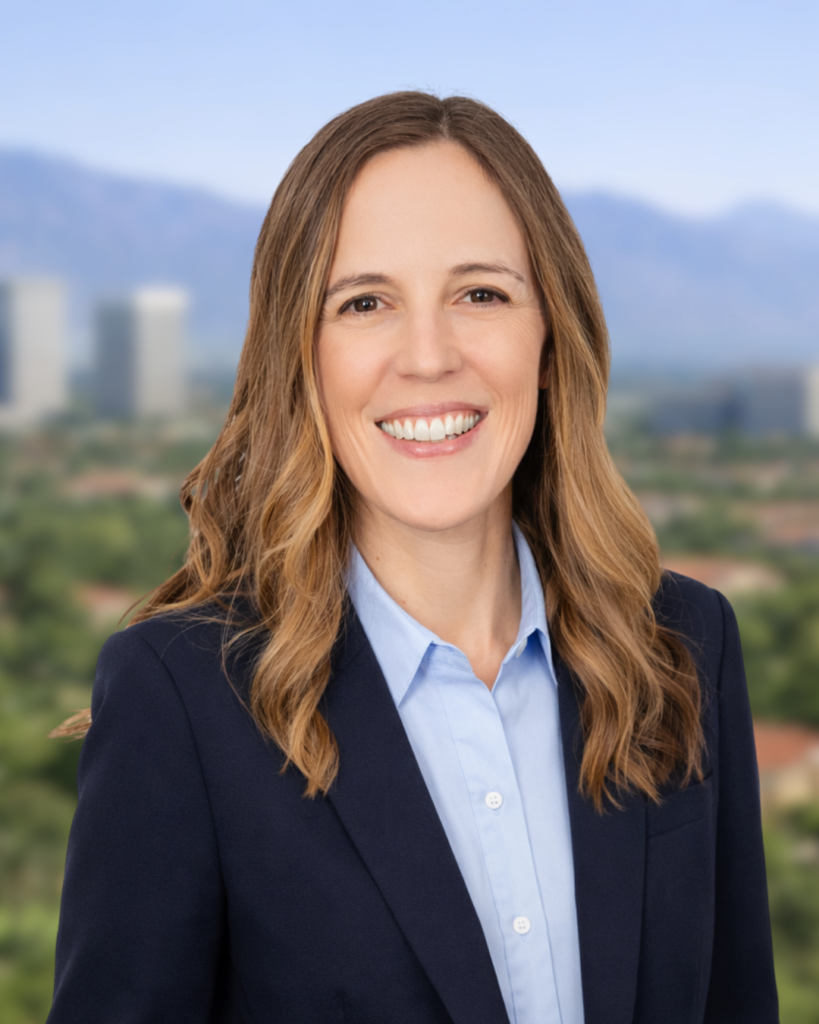
Meet Katie A. Lindsey Esq.
Senior Associate, Law Stein Anderson, LLP
Katie Lindsey, Esq. is a Certified Specialist in Estate Planning, Trust, and Probate Law by the California State Board of Legal Specialization. She focuses her practice on estate planning, trust administration, and probate matters. Katie works closely with clients to design comprehensive estate plans and guides trustees and personal representatives through the trust administration and probate process. Her background in litigation enhances her ability to provide practical, thorough counsel across all aspects of her practice.