
Hot Take Thursday: When Parents Say Their Estate Planning Is Handled, What Should You Ask Next?

Welcome to Hot Take Thursday, our weekly series where we ask attorneys at Law Stein Anderson to weigh in on timely legal questions.
“Don’t worry, we have everything handled.”
For adult children, hearing those words from their parents can be reassuring, especially when the conversation involves estate planning. But what does having everything handled actually mean? Does it mean the documents are signed, the assets are properly titled, and the right people know what to do if something happens?
And perhaps more importantly, is it appropriate to ask?
For this week’s Hot Take Thursday, we asked members of the Law Stein Anderson team:
“If your parents say, ‘Don’t worry, we have everything handled,’ the one follow-up question I’d ask is…”
Their responses revealed different approaches to the conversation, from confirming that important details are in place to respecting a parent’s decision to keep certain matters private.
Make Sure the Plan Is Still Up to Date
For Erin M. Beranek, the follow-up would focus on two important details: When was the trust last reviewed, and are the assets properly titled?
Having an estate plan is an important first step, but circumstances can change over time. Marriage, divorce, the death of a loved one, changes in finances, or the purchase of new property may all create reasons to revisit an existing plan.
Even a carefully drafted trust may not work as intended if certain assets were never properly transferred into it.
David M. Huynh took a similar approach, suggesting that parents consider having an attorney review their plan to confirm that everything has been properly addressed.
The goal isn’t necessarily to question whether parents have made good decisions. Rather, it’s to encourage periodic reviews that help ensure their documents and assets continue to reflect their wishes.
Know Where to Find Important Information
Kianna C. Parviz suggested asking two practical questions: Where are the estate planning documents kept, and who should be contacted if something happens?
These details may seem minor, but they can become extremely important during an emergency.
If a parent becomes incapacitated or passes away, family members may need to locate estate planning documents, identify the individuals authorized to act, and contact the appropriate professionals.
Knowing where to begin can make an already difficult situation more manageable.
Katie A. Lindsey similarly emphasized the importance of understanding whether parents are willing to discuss their plans. Adult children who have little information may suddenly find themselves trying to step in and help during an emergency.
These conversations don’t necessarily require parents to share every detail of their estate plan. Even knowing where documents are located and whom to contact can provide valuable guidance when it’s needed most.
Encourage Communication Without Making Assumptions
For Bryan K. Johnson, the ideal follow-up would be asking whether the family could have a meeting with siblings so everyone understands the plan.
Family discussions can sometimes help address expectations, explain important decisions, and prepare those who may eventually have responsibilities under the estate plan.
Pearl Walker suggested asking what the plan actually involves or what steps have already been taken that make the parents confident everything is handled.
It’s a question that can help distinguish between having discussed estate planning and having completed the necessary steps.
And Monique Nevarez offered perhaps the most direct and simple response of all:
“Are you sure?”
While brief, the question raises an important point. Parents may believe everything is in order without realizing that their circumstances, documents, or assets could benefit from another review.
Of course, how these conversations are approached can be just as important as the questions themselves.
Sometimes, the Best Follow-Up Is No Follow-Up
Not every attorney recommended asking another question.
Christina B. Yee offered a different perspective, noting that the appropriate response depends heavily on the relationship between the parent and adult child.
When parents say they have everything handled, they may be signaling that they don’t wish to discuss the matter further.
Yee cautioned that, absent concerns such as undue influence or lack of capacity, pushing for additional information may not be appropriate, particularly when the relationship is already sensitive.
Estate planning is ultimately a personal process. Parents generally have the right to make decisions about their property and determine how much information they wish to share with family members.
While communication can be helpful, it shouldn’t automatically be treated as an obligation to disclose every detail.
The challenge is finding a balance between respecting a parent’s independence and making sure the people who may eventually need to help have access to essential information.
Estate Planning Conversations Should Reflect Each Family’s Circumstances
The responses from our attorneys illustrate that there isn’t one perfect question every adult child should ask.
For some families, a conversation about where documents are stored may be enough. Others may benefit from discussing who will make decisions during incapacity, whether the estate plan has been reviewed recently, or how family members can prepare for future responsibilities.
And in some situations, respecting a parent’s privacy may be the most appropriate choice.
What matters is recognizing that having an estate plan and being prepared for what happens next are not always the same thing.
Thoughtful planning can involve more than signing documents. It may also include keeping those documents current, properly coordinating assets with the plan, and deciding what information should be shared with loved ones.
If you or your parents are considering an estate plan review, the attorneys at Law Stein Anderson can help evaluate existing documents, address changes in circumstances, and discuss ways to prepare for the future while respecting each family’s unique needs and preferences.
Attorneys Featured in This Week’s Discussion

Erin M. Beranek, Esq.
SENIOR ASSOCIATE
Erin Beranek represents individuals and families in connection with comprehensive estate planning and trust administration matters.

David M. Huynh, Esq.
SENIOR ASSOCIATE
From high-net-worth estate planning to highly contentious trust and probate litigation, David helps his clients achieve their goals.

Bryan K. Johnson, Esq.
SENIOR ASSOCIATE
Bryan Johnson specializes in tax law, estates, and trusts. Throughout his career, he has prepared hundreds of estate plans.
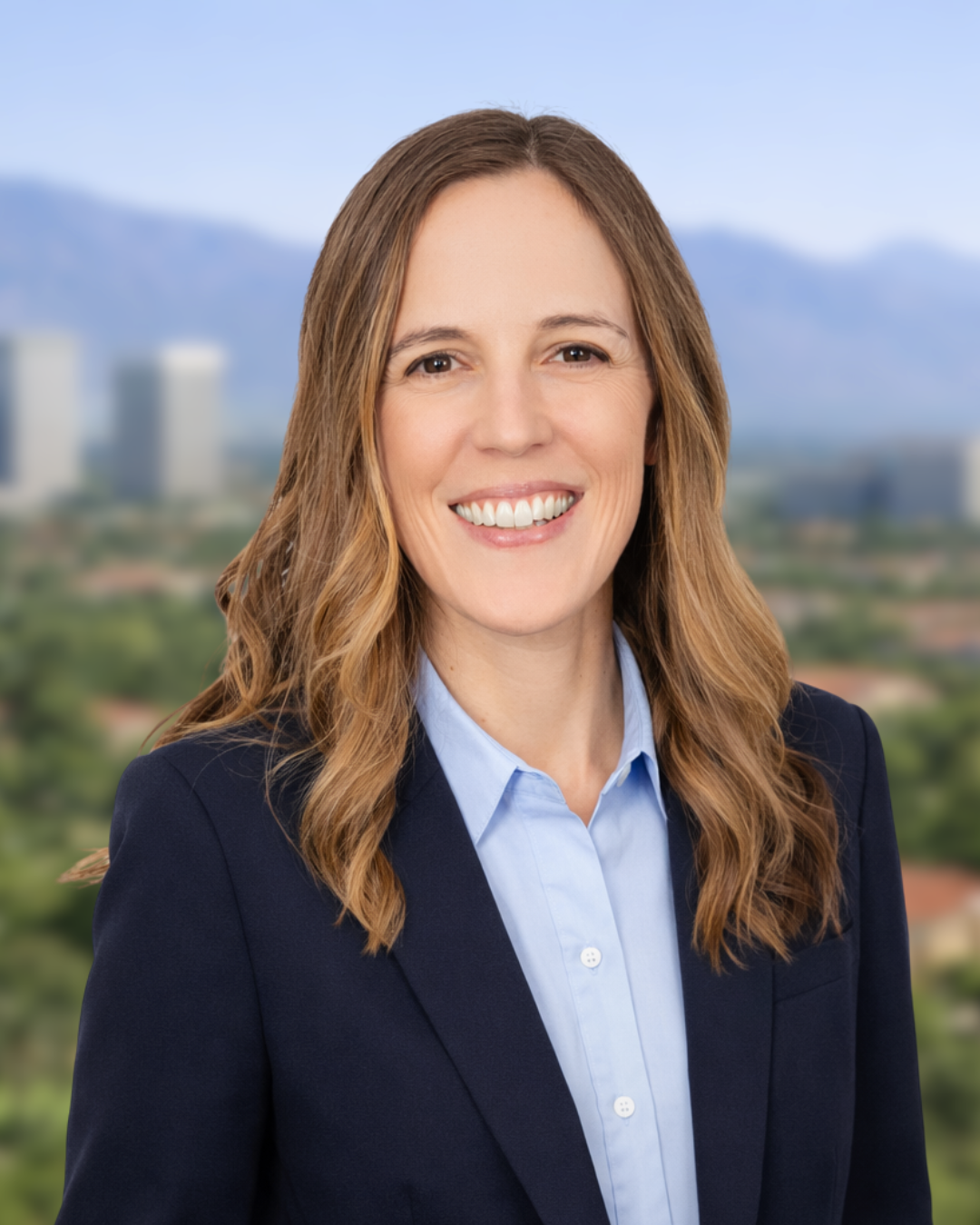
Katie A. Lindsey, Esq.
SENIOR ASSOCIATE
Katie Lindsey is an attorney with extensive expertise in estate planning, trust administration, and probate law.

Monique Nevarez, Esq.
ASSOCIATE
Monique Nevarez advises clients in the complex areas of tax planning, business formation, and creating a solid estate plan.

Kianna C. Parviz, Esq.
SENIOR ASSOCIATE
Kianna Parviz focuses on trust and estate litigation. She also handles business disputes and defense of personal injury/premises liability claims.

Pearl Walker, Esq.
ASSOCIATE
Pearl Walker’s practice focuses on trust and estate litigation, probate disputes, and civil litigation matters, including personal injury and business-related claims.

Christina B. Yee, Esq.
SENIOR ASSOCIATE
Christina Yee focuses primarily on probate litigation, and all of the intricacies involved with both prosecuting and defending trustees and beneficiaries.