Hot Take Thursday: What Makes Estate and Trust Administration More Complicated Than It Needs to Be?

Welcome to Hot Take Thursday, our weekly series where we ask attorneys at Law Stein Anderson to weigh in on timely legal questions.
Administering an estate or trust after someone passes away can be a complicated process. Between identifying assets, managing financial responsibilities, communicating with beneficiaries, and carrying out the terms of an estate plan, there is often a great deal to navigate.
But some of the biggest challenges aren’t necessarily unavoidable. In fact, many begin long before the administration process ever starts.
For this week’s Hot Take Thursday, we asked members of the Law Stein Anderson team:
“One thing that can make administering an estate or trust much harder than it needs to be is…”
Their responses highlighted several common issues, from disorganized records and outdated estate plans to poor communication and missed opportunities for professional guidance.
Poor Recordkeeping Can Create Unnecessary Challenges
For James Man, one of the biggest obstacles is straightforward: poor recordkeeping.
He emphasized that one of the best gifts parents can leave their children is peace of mind, and having important documents, financial accounts, and assets organized is a significant part of that.
Desiree Rivera agreed, identifying inadequate records as a common source of unnecessary difficulty.
When someone passes away, the person responsible for administering their estate or trust may need to identify bank accounts, locate property records, review financial transactions, and determine which assets belong to the estate or trust.
Without organized records, even seemingly simple tasks can become time-consuming. Trustees and executors may spend considerable time tracking down information that could have been readily available.
Maintaining an updated inventory of assets, organizing important documents, and making sure the appropriate people know how to locate that information can help make the administration process more manageable.
Outdated Plans, Drafting Issues, and Improperly Titled Assets
An estate plan may be carefully prepared when it is first created, but circumstances can change significantly over time.
Kianna Parviz pointed to estate plans that haven’t been updated to reflect changes in a family’s circumstances.
Marriage, divorce, the birth of children or grandchildren, changes in financial circumstances, or the death of someone named in the plan can all affect whether the documents continue to reflect the individual’s wishes.
Katie Lindsey identified another potential problem: a poorly drafted trust.
Unclear or inconsistent provisions can create uncertainty about how assets should be managed or distributed. Depending on the circumstances, resolving those questions may require additional legal guidance or court involvement.
Erin Beranek highlighted a related issue: assets that aren’t titled correctly.
For example, someone may establish a revocable living trust but never properly transfer certain assets into it. Depending on the type of asset and the circumstances, that oversight may complicate administration or require additional legal proceedings.
Together, these responses illustrate why creating an estate plan is only part of the process. Reviewing the documents, keeping them current, and making sure assets are appropriately coordinated with the plan can be just as important.
Communication Matters More Than Families May Realize
Estate and trust administration involves more than financial accounts and legal documents. It also involves people, often navigating the loss of someone they love.
Monique Nevarez emphasized that poor communication with beneficiaries can create friction between the parties and make an already difficult process even more challenging.
Pearl Walker similarly pointed to the complications that arise when family members are surprised by an estate plan or are unprepared for what happens next.
Someone who has never served as a trustee or executor may have little understanding of the responsibilities involved. Beneficiaries may have assumptions about what they will inherit or how quickly distributions should occur.
When those expectations don’t align with the estate plan or the realities of administration, confusion can quickly turn into frustration.
While every family situation is different, discussing important decisions when appropriate, preparing the individuals who will serve in key roles, and maintaining communication throughout the administration process may help reduce unnecessary misunderstandings.
Professional Guidance and Thoughtful Planning Can Make a Difference
Some complications arise not from missing documents or family disagreements, but from decisions made without fully considering their legal and financial consequences.
Christina Yee pointed to situations in which individuals make gifts or distribution decisions without reviewing their plans with a professional or considering the potential tax ramifications.
An estate plan may accomplish one objective while unintentionally creating complications elsewhere. Decisions involving particular assets, beneficiaries, or distribution structures can have consequences that aren’t immediately obvious.
David Huynh raised another important consideration: clients who aren’t completely honest with their attorneys.
Attorneys rely on accurate and complete information to understand a client’s circumstances and recommend appropriate planning strategies. Leaving out relevant details about assets, family relationships, or other important matters can make it more difficult to develop a plan that works as intended.
Charlotte Flanigan emphasized the importance of obtaining timely legal and tax guidance rather than attempting to handle complex issues without professional assistance.
Whether during the planning process or after someone has passed away, identifying potential problems early and seeking appropriate guidance can help prevent complications from becoming more difficult and expensive to resolve.
A Smoother Administration Often Starts Long Before It’s Needed
While no estate plan can eliminate every challenge, many of the issues identified by our attorneys share a common theme: preparation matters.
Organized records, properly titled assets, updated documents, thoughtful communication, and professional guidance can all play a role in making the administration process more manageable.
For individuals creating or reviewing an estate plan, that means thinking beyond who will receive their assets. It also means considering how those assets will be located, managed, and ultimately distributed.
For trustees and executors, it means understanding their responsibilities and recognizing when additional guidance may be necessary.
A well-prepared estate plan should do more than document someone’s wishes. It should also help the people responsible for carrying out those wishes navigate the process with greater confidence and fewer unnecessary obstacles.
If you are creating or reviewing an estate plan, or have been named to administer an estate or trust, the attorneys at Law Stein Anderson can help you understand your responsibilities, address potential complications, and navigate the process ahead.
Attorneys Featured in This Week’s Discussion

Erin M. Beranek, Esq.
SENIOR ASSOCIATE
Erin Beranek represents individuals and families in connection with comprehensive estate planning and trust administration matters.

Charlotte A. Flanigan, Esq.
SENIOR ASSOCIATE
Charlotte Flanigan possesses over 15 years of expertise in estate and income tax planning, probate and trust administration, and business law.

David M. Huynh, Esq.
SENIOR ASSOCIATE
From high-net-worth estate planning to highly contentious trust and probate litigation, David helps his clients achieve their goals.
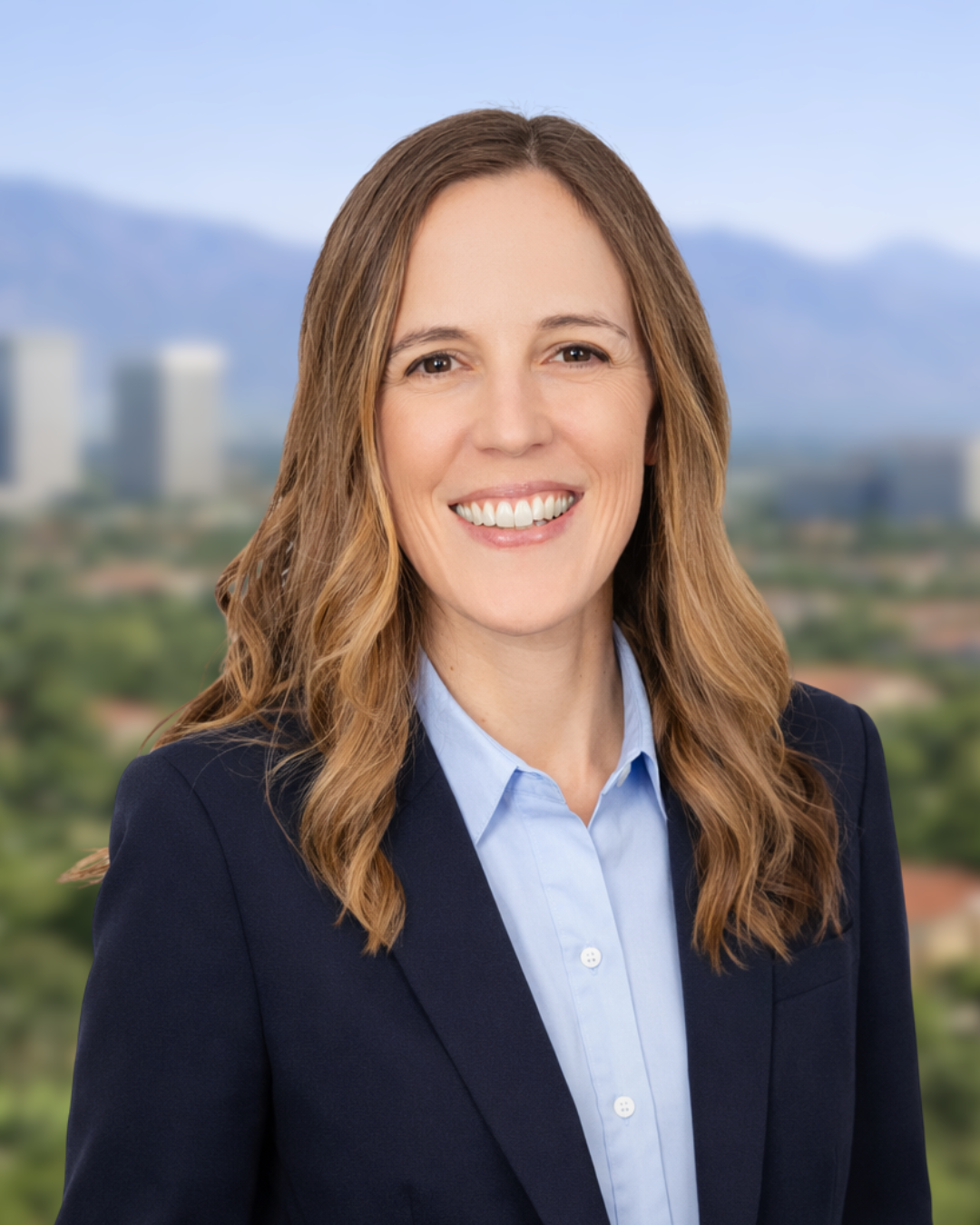
Katie A. Lindsey, Esq.
SENIOR ASSOCIATE
Katie Lindsey is an attorney with extensive expertise in estate planning, trust administration, and probate law.

Monique Nevarez, Esq.
ASSOCIATE
Monique Nevarez advises clients in the complex areas of tax planning, business formation, and creating a solid estate plan.

James C. Man, Esq.
ASSOCIATE
James Man advises clients on complex estate planning, tax planning, family office representation, business law, and real estate transactions.

Kianna C. Parviz, Esq.
SENIOR ASSOCIATE
Kianna Parviz focuses on trust and estate litigation. She also handles business disputes and defense of personal injury/premises liability claims.

Desiree F. Rivera, Esq.
ASSOCIATE
Desiree Rivera focuses her practice on estate planning, trust administration, and business formation with LLC’s and corporations.

Pearl Walker, Esq.
ASSOCIATE
Pearl Walker’s practice focuses on trust and estate litigation, probate disputes, and civil litigation matters, including personal injury and business-related claims.

Christina B. Yee, Esq.
SENIOR ASSOCIATE
Christina Yee focuses primarily on probate litigation, and all of the intricacies involved with both prosecuting and defending trustees and beneficiaries.