
Hot Take Thursday: Estate Planning Statements That Give Our Attorneys the Chills

Welcome to Hot Take Thursday, our weekly series where we ask attorneys at Law Stein Anderson to weigh in on timely legal questions.
Some things are scary enough on their own. For estate planning attorneys, however, a few seemingly harmless statements can be enough to raise serious concerns.
From homemade trusts to complicated family dynamics, certain decisions that seem perfectly reasonable at the time can create unexpected challenges down the road.
In honor of Halloween, we gave this week’s Hot Take Thursday a slightly spooky twist and asked six Law Stein Anderson attorneys to finish the sentence:
“Nothing sends a chill down my spine faster than hearing a client say…”
Their responses highlighted some familiar estate planning pitfalls, including do-it-yourself documents, assumptions about family relationships, and trust administration decisions that can become more complicated with time.
When Estate Planning Becomes a DIY Project
For Erin M. Beranek, one particularly concerning statement is:
“I did my trust online.”
Online estate planning services may appear convenient, but a trust is only as useful as its ability to address the individual’s circumstances and accomplish the intended goals.
A document created using a standard template may not adequately account for family dynamics, particular assets, tax considerations, or the legal requirements that apply to a specific situation.
James C. Man shared a similar concern:
“We made our will and trust ourselves with templates we found online!”
The challenge isn’t necessarily that every online document is invalid. Rather, individuals may not realize what their documents are missing until those documents need to be relied upon.
A trust that appears complete may contain unclear instructions, conflicting provisions, or language that doesn’t accomplish what its creator intended.
Christina B. Yee pointed to another situation that can create complications:
“I drafted my own amendment.”
Even when an original trust was professionally prepared, later amendments can introduce unintended consequences. A change that seems simple may conflict with other provisions, create ambiguity, or fail to comply with the trust’s amendment requirements.
Reviewing proposed changes with an estate planning attorney can help ensure that amendments work with the existing documents rather than creating new problems.
Assuming Family Members Will Work Everything Out
Estate planning involves more than deciding who receives particular assets. It also requires considering how family members may interact when the plan is eventually put into action.
For Kianna C. Parviz, one statement that raises concern is:
“My family all gets along, so I’m sure they’ll figure everything out!”
While a close-knit family may have every intention of cooperating, administering an estate or trust can introduce unfamiliar responsibilities, financial decisions, and emotional pressures. Even family members who generally get along may have different expectations about inheritances, property, or how quickly assets should be distributed.
A thoughtfully prepared estate plan can provide guidance so loved ones aren’t left to make difficult decisions without clear instructions.
Monique Nevarez identified a related concern:
“My kids don’t get along, but they’ll be forced to work together when I name them as co-trustees.”
Parents sometimes name multiple children as co-trustees because they want to treat them equally. But appointing children who already have a strained relationship may create additional challenges rather than encourage cooperation.
Co-trustees may need to make decisions together about managing assets, paying expenses, communicating with beneficiaries, and distributing property. If they disagree or struggle to work together, the administration process can become more time-consuming, costly, and contentious.
Choosing a trustee should involve more than family relationships or birth order. The individual’s ability to manage responsibilities, communicate effectively, and work with others deserves careful consideration.
When a Trust Administration Never Quite Ends
Not every estate planning concern begins when documents are created. Some arise after a loved one has passed away.
For Katie A. Lindsey, one statement that raises a red flag is:
“The trust is still open because we all just use it to own the property together.”
When a trust becomes irrevocable after a death, the trustee generally has responsibilities involving the administration and eventual distribution of trust assets according to its terms.
In some situations, beneficiaries may want to continue owning a property together rather than distributing or selling it.
However, simply leaving an estate or trust administration open indefinitely may create complications involving fiduciary responsibilities, property management, taxes, accounting, and disagreements between beneficiaries.
Lindsey’s advice is to complete the administration and distribute the property while everyone is still getting along. If beneficiaries wish to continue owning property together, they may want to explore a more appropriate ownership structure, such as a limited liability company (LLC).
Whether an LLC is suitable depends on the property, the beneficiaries’ goals, tax considerations, and other circumstances. The important point is that continuing shared ownership should be a deliberate decision rather than an unintended extension of the administration process.
Avoiding Estate Planning Nightmares
While our attorneys’ responses made for a fun Halloween-themed Hot Take Thursday, the concerns behind them are very real.
A homemade amendment, an assumption that siblings will cooperate, or a trust administration that remains unresolved may seem harmless at first. But each can create complications that become much more difficult to address later.
The common thread is the importance of thoughtful planning and understanding how decisions made today may affect loved ones in the future. That includes preparing documents that reflect your individual circumstances, reviewing changes with an attorney, choosing fiduciaries carefully, and obtaining appropriate guidance during trust administration.
Estate planning doesn’t have to be scary. But overlooking important details can create some frightening surprises.
Whether you’re creating an estate plan, considering changes to an existing trust, or navigating the administration of a loved one’s estate, the attorneys at Law Stein Anderson can help you evaluate your options and address potential complications before they become bigger problems.
Attorneys Featured in This Week’s Discussion

Erin M. Beranek, Esq.
SENIOR ASSOCIATE
Erin Beranek represents individuals and families in connection with comprehensive estate planning and trust administration matters.
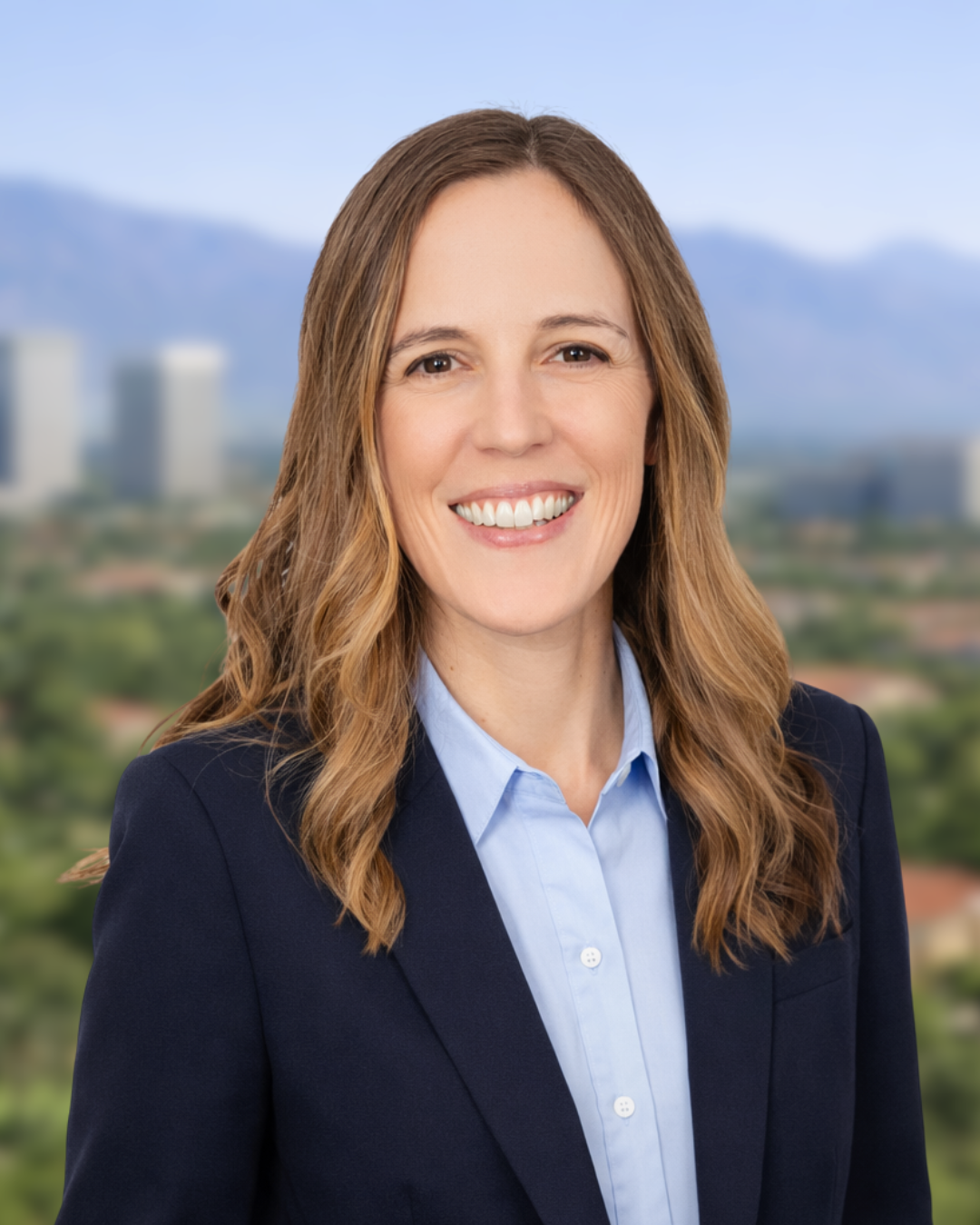
Katie A. Lindsey, Esq.
SENIOR ASSOCIATE
Katie Lindsey is an attorney with extensive expertise in estate planning, trust administration, and probate law.

James C. Man, Esq.
ASSOCIATE
James Man advises clients on complex estate planning, tax planning, family office representation, business law, and real estate transactions.

Monique Nevarez, Esq.
ASSOCIATE
Monique Nevarez advises clients in the complex areas of tax planning, business formation, and creating a solid estate plan.

Kianna C. Parviz, Esq.
SENIOR ASSOCIATE
Kianna Parviz focuses on trust and estate litigation. She also handles business disputes and defense of personal injury/premises liability claims.

Christina B. Yee, Esq.
SENIOR ASSOCIATE
Christina Yee focuses primarily on probate litigation, and all of the intricacies involved with both prosecuting and defending trustees and beneficiaries.