
The Estate Planning Decisions That Deserve the Most Thought
Welcome to Hot Take Thursday, our weekly series where we ask attorneys at Law Stein Anderson to weigh in on timely legal questions.

This week’s prompt:
“The one decision I encourage clients to spend the most time thinking about is ____________.”
Attorneys Erin M. Beranek, Nicholas P. Carrigan, David M. Huynh, Desiree F. Rivera, Pearl M. Walker, and Christina B. Yee shared their perspectives.
Their answers make one thing clear: some of the most important estate planning decisions have very little to do with filling out documents.
Choosing who will act on your behalf, deciding how beneficiaries should receive assets, selecting guardians and trustees, anticipating family conflict, and even choosing the right attorney can all have a lasting impact on how well an estate plan ultimately works.
So which decisions deserve the most careful consideration?
Choose the People You Trust Carefully
One of the biggest decisions in any estate plan is deciding who will step in when you are no longer able to handle certain matters yourself.
Attorney Erin M. Beranek encourages clients to spend significant time thinking about:
“…who they trust to advocate for them if they can’t speak for themselves.”
As Beranek points out, estate planning is not only about what happens after death. Incapacity may come first, making the selection of financial and health care agents especially important.
“We spend a lot of time planning for death, but many families face the challenge of incapacity first,” Beranek explains. “Taking the time to choose the right financial and healthcare agents, and having honest conversations about your wishes, can make one of life’s most difficult moments much easier for the people you love.”
The person who seems like the obvious choice on paper is not always the best person for the role. Reliability, judgment, communication skills, availability, and willingness to carry out your wishes can all matter.
Think Beyond Who Inherits — Consider How They Inherit
Naming beneficiaries is only part of the decision.
Attorney Desiree F. Rivera encourages clients to think carefully about not only who should receive their assets, but also how those assets should be distributed.
That may mean deciding whether a beneficiary should receive an inheritance outright or whether assets should remain in trust and be distributed over time.
Different approaches may make sense depending on a beneficiary’s age, financial experience, personal circumstances, or the goals of the person creating the estate plan. A thoughtful distribution structure can help ensure that an inheritance is received in a way that supports the beneficiary and aligns with the larger purpose of the estate plan.
Selecting a Successor Trustee or Guardian Requires Careful Thought
For many families, deciding who should step into positions of responsibility is among the hardest parts of estate planning.
Attorney David M. Huynh notes that the most important decision may vary depending on the family.
“For couples without minor children, it’s choosing a successor trustee,” Huynh says. “For couples with minor children, it’s choosing a successor trustee and naming a potential guardian for their kids.”
A successor trustee may eventually be responsible for managing assets, communicating with beneficiaries, following the terms of a trust, and making important financial decisions.
For parents of minor children, the decision carries an additional layer of responsibility because naming a guardian means considering who could provide the care, stability, and environment they would want for their children. These choices are deeply personal, and they deserve more consideration than simply choosing the closest relative or the person who first comes to mind.
Ask Whether Your Plan Will Actually Work for Your Family
An estate plan may look perfectly reasonable on paper and still create challenges when put into practice.
Attorney Nicholas P. Carrigan encourages clients to consider:
“Whether the plan you envision is actually workable, or will cause disunity, knowing what you know about your family.”
Family relationships, personalities, long-standing disagreements, and differing expectations can all affect how an estate plan unfolds. Carrigan adds that if you already anticipate potential conflict, additional planning may be necessary.
“If you anticipate the plan to result in potential conflict, you will have to take additional proactive steps ahead of time to limit the impact.”
This is one reason estate planning should be tailored to the realities of a particular family rather than based solely on what appears equal or straightforward. A plan that works well for one family may create significant tension in another.
Choosing the Right Attorney Matters, Too
Estate planning is also a professional relationship, and attorney Pearl M. Walker believes clients should take time to decide whether the attorney and law firm they are working with are truly the right fit.
Walker encourages clients to ask themselves:
“…is this the right attorney and/or law firm for me?”
“I think a lot of people don’t consider that you can, and should, shop around to find the right attorney and law firm to meet your needs and wants,” Walker says.
Estate planning can involve deeply personal conversations about family, finances, health care wishes, relationships, and concerns about the future. Working with an attorney you trust and feel comfortable speaking openly with can make it easier to address those issues thoughtfully and create a plan that reflects what you actually want.
Sometimes the Most Important Decision Is How a Matter Gets Resolved
Attorney Christina B. Yee offered perhaps the most concise answer of the group:
“…resolution.”
While brief, the response underscores an important reality: estate planning decisions often have consequences well beyond the drafting of documents. Thinking through how decisions, disagreements, or future issues may ultimately be resolved can help reveal potential problems before they arise. The goal is not simply to create legally valid documents. It is to create a plan that can function effectively when your family eventually needs it.
The Bottom Line
Estate planning involves plenty of decisions about assets, documents, and legal structures, but many of the choices that deserve the most thought involve people.
- Who will speak for you if you cannot speak for yourself?
- Who will manage your trust?
- Who should care for your children?
- How should your beneficiaries receive their inheritance?
- Will the plan you envision work within the realities of your family?
- And are you working with an attorney who understands your priorities and concerns?
Taking the time to think through these questions now can help create greater clarity for the people who may someday be responsible for carrying out your wishes.
If you are creating an estate plan or reviewing an existing one, the attorneys at Law Stein Anderson can help you consider not only what your documents should say, but how your plan is likely to work in practice. Contact Law Stein Anderson to schedule a consultation and discuss an estate plan tailored to your family, goals, and circumstances.
Attorneys Featured in This Week’s Discussion

Erin M. Beranek, Esq.
SENIOR ASSOCIATE
Erin Beranek represents individuals and families in connection with comprehensive estate planning and trust administration matters.

Nick Carrigan, Esq.
SENIOR ASSOCIATE
Nick Carrigan has a skilled practice that includes trusts and wills, estate planning, trust administration, business law, and real estate law.

David M. Huynh, Esq.
SENIOR ASSOCIATE
From high-net-worth estate planning to highly contentious trust and probate litigation, David helps his clients achieve their goals.
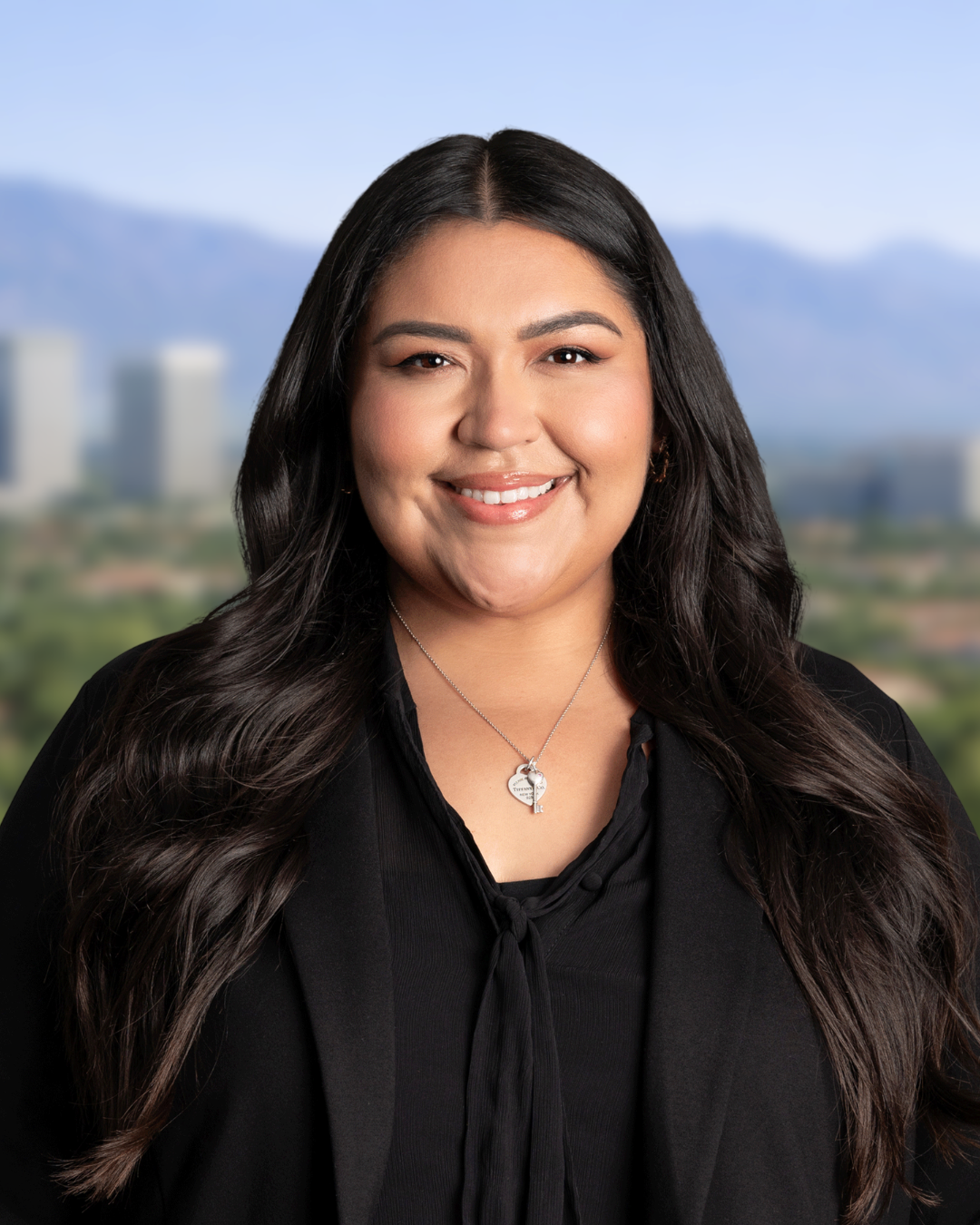
Desiree F. Rivera, Esq.
ASSOCIATE
Desiree Rivera focuses her practice on estate planning, trust administration, and business formation with LLC’s and corporations.

Pearl Walker, Esq.
ASSOCIATE
Pearl Walker’s practice focuses on trust and estate litigation, probate disputes, and civil litigation matters, including personal injury and business-related claims.

Christina B. Yee, Esq.
SENIOR ASSOCIATE
Christina Yee is a senior associate with Law Stein Anderson, LLP. Her practice focuses primarily on probate litigation.