Hot Take Thursday: 5 Assumptions About Family Wealth Worth Rethinking

Welcome to Hot Take Thursday, our weekly series where we ask attorneys at Law Stein Anderson to weigh in on timely legal questions.
When families think about passing down wealth, the conversation often centers on what they’ve accumulated and who will inherit it. But transferring assets from one generation to the next involves much more than deciding who gets what.
Even the most carefully built financial legacy can face challenges when beneficiaries aren’t prepared, family expectations are unclear, or important decisions are based on assumptions rather than conversations.
For this week’s Hot Take Thursday, we asked five Law Stein Anderson attorneys:
“When it comes to family wealth, one assumption I encourage clients to rethink is ______.”
Their responses highlight a common theme: preserving family wealth requires more than building it. It takes preparation, communication, and thoughtful planning for the people who will eventually inherit it.
1. Building Wealth Is Only Half the Equation
For many families, accumulating wealth represents decades of hard work, careful decisions, and sacrifice. But building a financial legacy and ensuring its longevity are two different challenges.
Attorney Monique Nevarez encourages clients to rethink the assumption:
“That building wealth is enough. Preparing the next generation to preserve and build is just as important.”
Her perspective speaks to an important distinction in estate planning. While creating wealth requires financial discipline and long-term thinking, preserving that wealth across generations requires preparing the people who will inherit it.
This might involve conversations about financial responsibility, family values, investment decisions, or the responsibilities associated with inherited property and businesses.
The goal isn’t simply to leave something behind. It’s to help ensure that what has been built can continue to benefit future generations.
2. An Inheritance Doesn’t Come With Financial Experience
Two of our attorneys pointed to a particularly common assumption: that children will naturally know what to do when they inherit wealth.
Attorney Desiree F. Rivera encourages families to reconsider the belief that “the children will know how to handle it.”
Attorney Kianna C. Parviz expands on that concern:
“Receiving wealth and knowing how to manage it responsibly are two very different things. Estate planning isn’t just about passing down assets; it’s also about preparing the next generation to handle them wisely.”
An inheritance may include investment accounts, real estate, business interests, or other assets that require ongoing decisions and responsibilities.
For someone without experience managing these assets, the transition can be overwhelming.
Families may benefit from discussing financial expectations before an inheritance occurs, introducing younger generations to trusted advisors, or considering trust provisions that provide structure around how and when assets are distributed.
The larger takeaway? Financial responsibility isn’t necessarily inherited along with financial assets.
3. Being the Oldest Doesn’t Automatically Make Someone the Best Decision-Maker
Family dynamics can play a significant role in estate planning, particularly when parents must decide who will manage their affairs or carry out their wishes.
Attorney Christina B. Yee challenges the assumption:
“The eldest child knows exactly what I want and will always be fair.”
It’s an understandable belief. Parents may naturally look to their oldest child as the person who will take charge when needed.
But age and birth order don’t necessarily determine someone’s ability to navigate financial responsibilities, communicate with beneficiaries, or make difficult decisions impartially.
For example, serving as a successor trustee can involve managing assets, maintaining records, communicating with beneficiaries, and following the terms of a trust, sometimes while navigating competing family interests.
Choosing someone for that responsibility should involve considering their judgment, availability, organizational skills, and willingness to serve.
Equally important is ensuring that the person understands the parent’s intentions rather than assuming those wishes are already known.
4. Inheritance Is About More Than Who Gets What
When people think about estate planning, it’s natural to focus on the distribution of assets: Who receives the house? How will accounts be divided? What will each beneficiary inherit?
But attorney Erin M. Beranek encourages clients to rethink the assumption:
“That an inheritance is simply about who gets what.”
An inheritance can carry responsibilities, expectations, and emotional significance beyond its monetary value.
A family home, for example, may represent decades of memories. A family business may come with operational responsibilities. Even an otherwise straightforward distribution can create uncertainty if beneficiaries don’t understand the decisions behind it.
Thoughtful estate planning considers not only the assets being transferred but also the circumstances surrounding that transfer.
Who will manage the assets? Are beneficiaries prepared for the responsibilities involved? Could certain arrangements create unnecessary complications or disagreements?
Addressing these questions in advance can help families create a plan that reflects both their financial goals and their broader intentions.
5. The Best Time to Prepare the Next Generation Is Before Wealth Changes Hands
Taken together, our attorneys’ responses point to an important lesson: successful wealth transfer begins long before an inheritance is received.
Families often devote significant attention to building and protecting their assets, but preparing beneficiaries deserves a place in that conversation, too.
That preparation can look different for every family. For some, it means discussing financial values and expectations. For others, it means carefully selecting trustees, establishing appropriate trust provisions, or helping adult children understand the responsibilities they may eventually assume.
It also means recognizing that family circumstances change. A plan that made sense years ago may no longer reflect the abilities, needs, or relationships of the people involved.
Planning Beyond the Inheritance
The Great Wealth Transfer is about more than the movement of assets from one generation to another. It’s also about the decisions, responsibilities, and family relationships that accompany those assets.
As our attorneys’ perspectives illustrate, some of the most important estate planning questions aren’t necessarily about how much wealth a family has accumulated. They’re about whether the next generation is prepared to receive it, manage it, and carry the family’s intentions forward.
At Law Stein Anderson, our attorneys work with individuals and families to develop estate plans that consider their assets, priorities, and long-term goals.
Whether you’re creating an estate plan for the first time or revisiting an existing one, thoughtful planning today can help create greater clarity for the generations ahead.
Contact Law Stein Anderson to learn more about planning for your family’s future.
Attorneys Featured in This Week’s Discussion
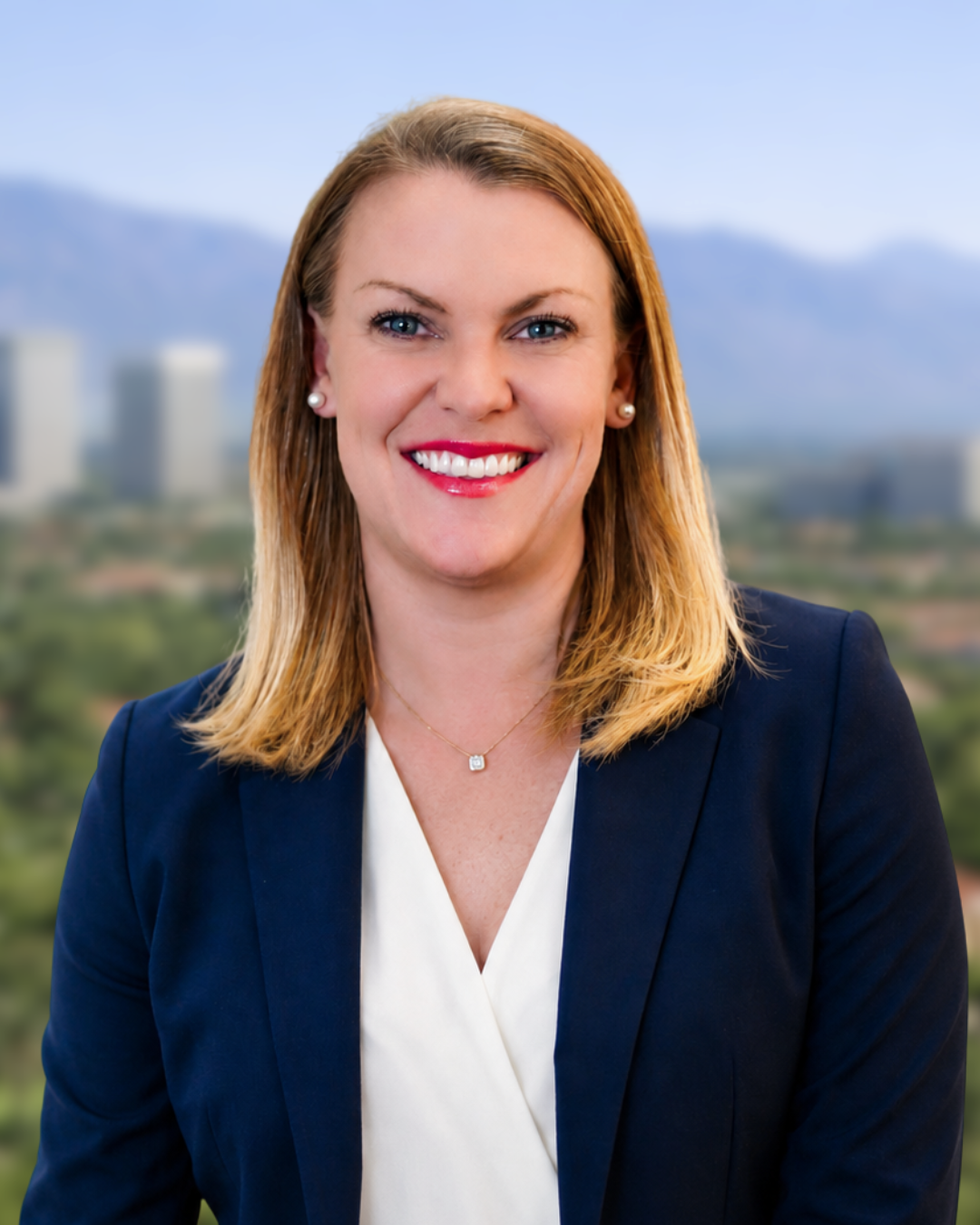
Erin M. Beranek, Esq.
SENIOR ASSOCIATE
Erin Beranek represents individuals and families in connection with comprehensive estate planning and trust administration matters.

Monique Nevarez, Esq.
ASSOCIATE
Monique Nevarez advises clients in the complex areas of tax planning, business formation, and creating a solid estate plan.
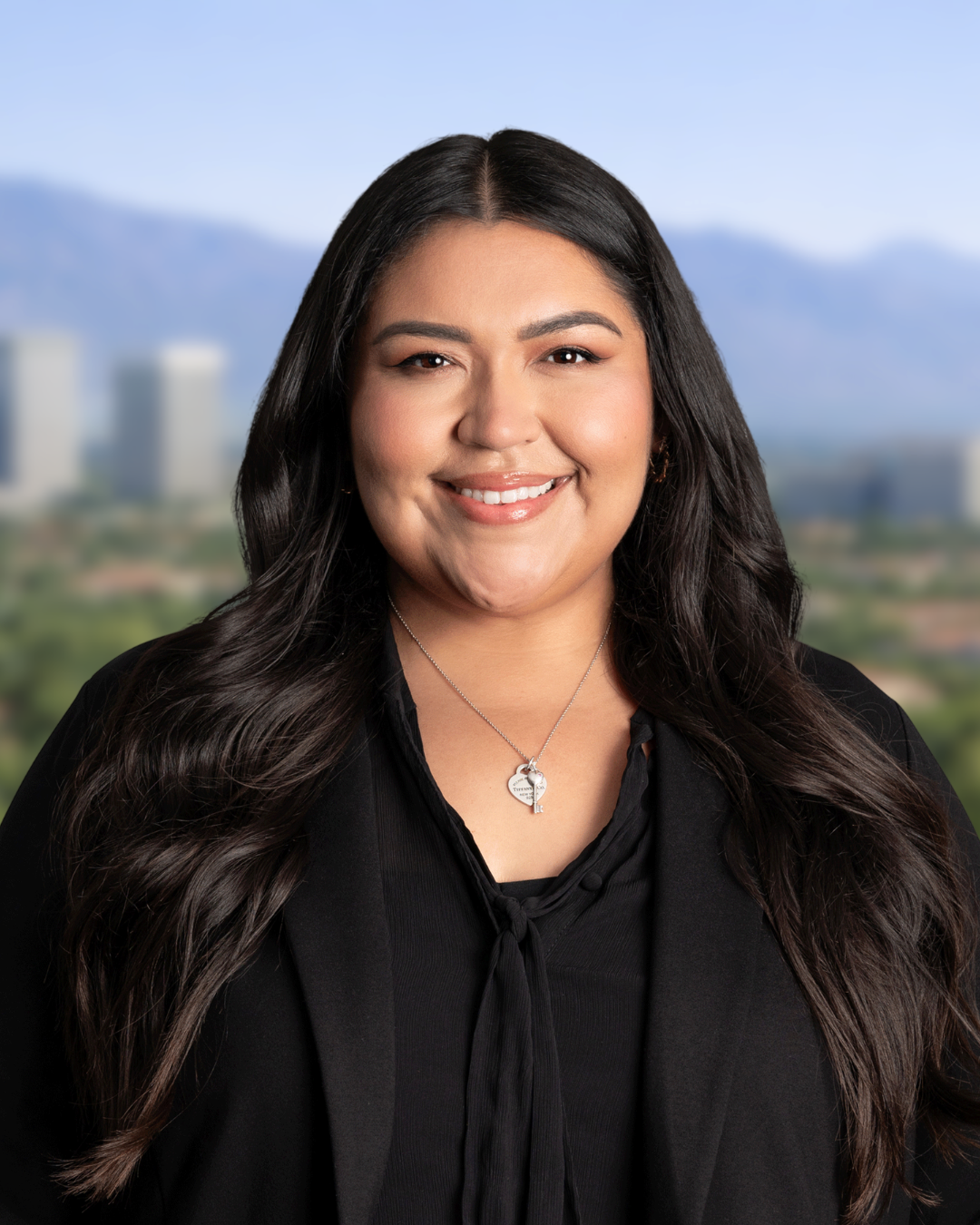
Desiree F. Rivera, Esq.
ASSOCIATE
Desiree Rivera focuses her practice on estate planning, trust administration, and business formation with LLC’s and corporations.

Kianna C. Parviz, Esq.
SENIOR ASSOCIATE
Kianna Parviz focuses on trust and estate litigation. She also handles business disputes and defense of personal injury/premises liability claims.
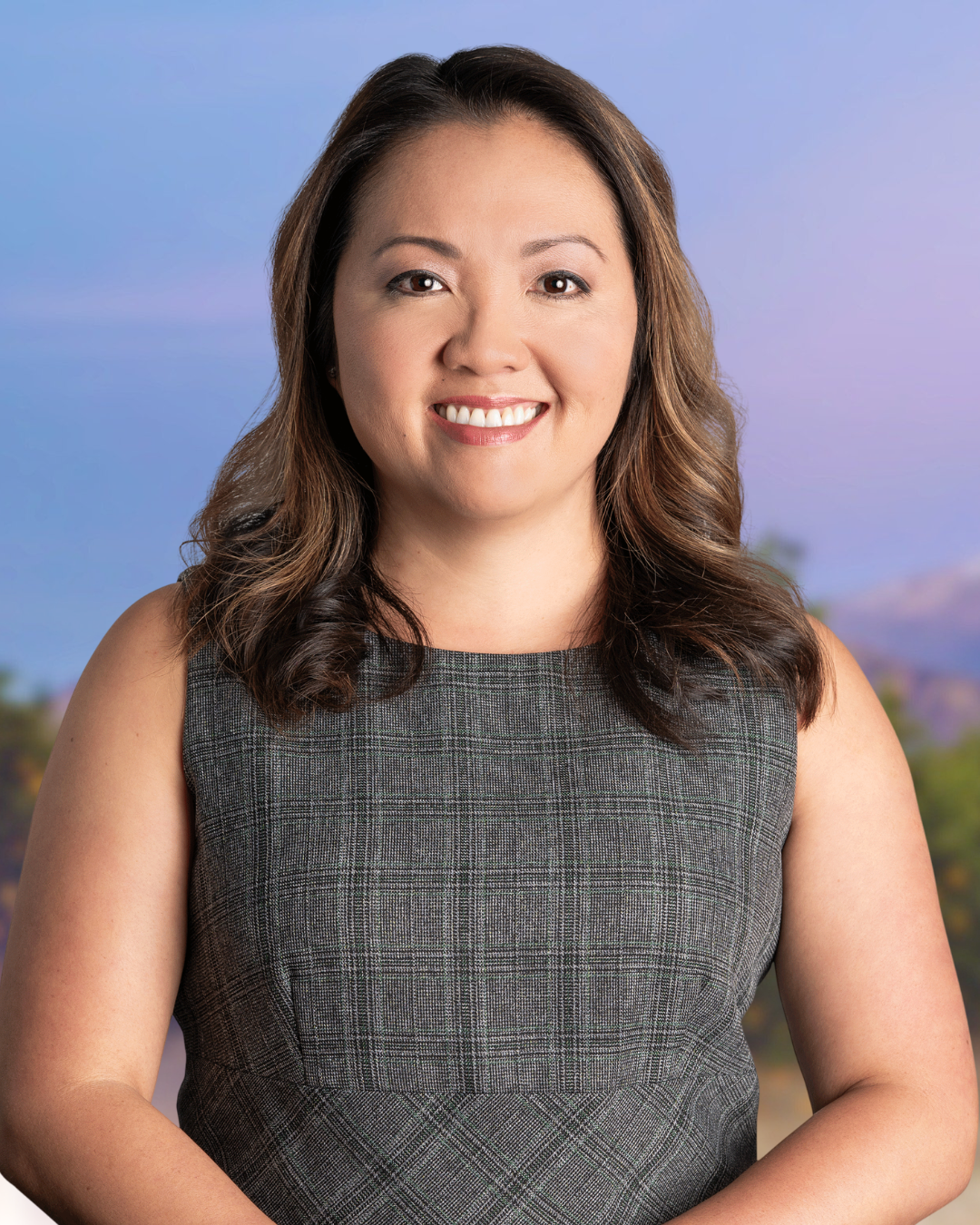
Christina B. Yee, Esq.
SENIOR ASSOCIATE
Christina Yee focuses primarily on probate litigation, and all of the intricacies involved with both prosecuting and defending trustees and beneficiaries.