
Hot Take Thursday: One Thing Your Loved Ones Will Thank You for Planning Ahead

Welcome to Hot Take Thursday, our weekly series where we ask attorneys at Law Stein Anderson to weigh in on timely legal questions.
When we think about estate planning, the focus often falls on protecting assets, distributing inheritances, and preparing for the future. But one of the most meaningful reasons to plan ahead is something much more personal: making life easier for the people we love.
Losing a loved one is difficult enough without the added stress of unanswered questions, missing documents, financial uncertainty, or complicated legal proceedings. While no estate plan can eliminate every challenge, thoughtful preparation can help families navigate these responsibilities with greater clarity and confidence.
For this week’s Hot Take Thursday, we asked our Law Stein Anderson attorneys:
“One thing your loved ones will thank you for having planned ahead is…”
Their responses highlight an important message: a well-prepared estate plan is about more than what you leave behind. It’s also about the guidance, organization, and peace of mind you provide to those who will carry out your wishes.
1. Helping Your Loved Ones Avoid Lengthy Court Proceedings
One of the greatest challenges families can face after losing a loved one is navigating an unfamiliar legal process while grieving.
Attorney Erin M. Bernanek emphasizes the importance of planning ahead so loved ones are:
“Not having to spend years in court…”
Without appropriate planning, families may face probate proceedings, disputes over assets, or disagreements about how an estate should be administered. Depending on the circumstances, these matters can become time-consuming, expensive, and emotionally draining. Although estate planning cannot guarantee that court involvement will be avoided entirely, taking proactive steps can help reduce the likelihood of unnecessary complications.
For families, having a thoughtful plan in place may mean spending less time navigating legal uncertainty and more time focusing on what matters most.
2. Making Your Wishes Clear Before Difficult Decisions Arise
When someone passes away, family members are often left making important decisions during an already emotional time. Without clear instructions, even well-intentioned loved ones may struggle to determine what the person would have wanted.
Attorney Desiree F. Rivera highlights the value of having:
“Your estate plan so they know exactly what you wanted done after your passing.”
Similarly, Attorney Charlotte A. Flanigan emphasizes:
“Making your wishes clear, so they don’t have to make difficult decisions during an already difficult time.”
Both responses underscore the importance of removing uncertainty wherever possible. A clearly documented estate plan can provide direction regarding asset distribution, designated decision-makers, and other important matters. Rather than leaving family members to interpret intentions or make assumptions, a thoughtful plan helps communicate your wishes in advance.
It can also reduce the potential for misunderstandings and disagreements among loved ones, particularly when family members have different expectations about how an estate should be handled. Ultimately, providing clarity today can help spare your family from unnecessary questions tomorrow.
3. Choosing a Successor Trustee Who Is Ready for the Responsibility
Creating an estate plan is important, but so is considering who will be responsible for carrying it out.
Attorney Bryan K. Johnson explains:
“Having a clear, updated estate plan so they’re not left guessing about your wishes, and choosing a successor trustee who is prepared and willing to take on the responsibility.”
Attorney Kianna C. Parviz expands on this consideration:
“A clear, up-to-date estate plan and choosing a successor trustee who is both willing and prepared to take on the responsibility. Having your wishes clearly documented and the right person in place to carry them out can help avoid unnecessary stress, expense, and conflict during an already difficult time.”
A successor trustee may be responsible for managing trust assets, communicating with beneficiaries, addressing financial obligations, and overseeing distributions according to the terms of the trust. These responsibilities can require considerable time, organization, and attention to detail.
Choosing someone simply because they are a close family member may not always be the best approach. It is equally important to consider whether that individual understands the responsibilities involved and has the willingness and ability to fulfill them. Having conversations with potential successor trustees ahead of time can help establish expectations and give them an opportunity to prepare for their future role.
4. Making Sure Your Trust Is Properly Funded
One detail families may overlook is that establishing a trust does not automatically mean every intended asset has been transferred into it.
Attorney Nicolas P. Carrigan emphasizes the importance of:
“Properly funding your real estate and financial accounts into the Trust you set up with LSA.”
Trust funding generally involves transferring ownership of appropriate assets into the trust or coordinating other arrangements with the overall estate plan. For example, certain real estate holdings and financial accounts may need to be retitled, while other assets may require different planning considerations.
If assets intended for a trust are never properly transferred, they may not receive the intended benefits of the trust arrangement and could require additional legal steps after death. Taking the time to review how assets are titled and whether they are appropriately coordinated with an estate plan can help prevent avoidable complications for loved ones.
5. Keeping Your Estate Plan and Important Information Organized
Even a carefully drafted estate plan can create challenges if family members cannot locate the documents or identify the assets involved.
Attorney Monique Nevarez reminds families of the importance of:
“Making sure your estate plan doesn’t just exist on paper, but that your trust is properly funded, your beneficiaries are updated, and your important documents and accounts are organized and easy to locate.”
Attorney Katie A. Lindsey offers another practical consideration:
“Making sure they know what you own and where to find it. There is nothing worse than trying to track down scattered accounts, old policies, or assets no one knew existed. A little organization now can save your family a lot of detective work later.”
These responses highlight an often-overlooked aspect of estate planning: making sure the people responsible for administering your affairs have the information they need. Imagine a family trying to identify unfamiliar bank accounts, locate insurance policies, or determine whether a loved one owned property or investments they never discussed.
Even when an estate plan provides clear instructions, missing information can complicate the administration process. Maintaining an organized record of important documents and financial information can make a meaningful difference.
Consider keeping track of:
- Estate planning documents, including trusts, wills, and powers of attorney.
- Real estate holdings and related ownership records.
- Financial accounts, investments, and retirement assets.
- Life insurance policies and beneficiary designations.
- Outstanding financial obligations and recurring expenses.
- Contact information for attorneys, financial advisors, and other relevant professionals.
These records should be stored securely, with appropriate arrangements for authorized individuals to access them when necessary. Keeping information current and accessible can help loved ones avoid unnecessary delays and confusion.
6. Planning for Immediate Financial Needs
While estate planning often focuses on the long-term distribution of assets, families may also need access to funds shortly after a loved one’s passing.
Attorney David M. Huynh emphasizes the importance of:
“Ensuring they will have immediate access to your liquidity in order to pay ongoing expenses (e.g. insurance, property taxes, etc.).”
This is an important consideration because financial obligations do not necessarily stop when someone passes away. Mortgage payments, property taxes, insurance premiums, utilities, and other expenses may continue while an estate or trust is being administered.
If available funds are difficult to access, loved ones may encounter additional financial pressure while trying to maintain property or address outstanding obligations. Thoughtful planning can help families evaluate whether sufficient liquidity will be available and how authorized individuals can access funds when needed.
Depending on the circumstances, this may involve reviewing account ownership, beneficiary designations, trust provisions, and other financial arrangements. The goal is to ensure that those responsible for managing an estate or trust have a practical plan for addressing expenses as they arise.
One of the Most Meaningful Things You Can Leave Behind Is Clarity
Your loved ones may never see all the time, thought, and preparation that went into your estate plan. But when the time comes to rely on it, those decisions can make a meaningful difference.
Whether it’s knowing where to find important documents, understanding your wishes, having the right person ready to step in, or avoiding unnecessary complications, planning ahead is one way to make a difficult time a little easier for those you care about.
You’ve spent a lifetime caring for your loved ones. Have you made a plan that will help care for them when they need it most?
Contact Law Stein Anderson to learn more about creating or updating an estate plan that reflects your wishes and helps prepare your loved ones for the future.
Attorneys Featured in This Week’s Discussion

Charlotte A. Flanigan, Esq.
SENIOR ASSOCIATE
Charlotte Flanigan possesses over 15 years of expertise in estate and income tax planning, probate and trust administration, and business law.

Nick Carrigan, Esq.
SENIOR ASSOCIATE
Nick Carrigan specializes in estate planning for individuals, families, and high-net-worth clients. His expertise extends to trust administration and general business law.

Monique Nevarez, Esq.
ASSOCIATE
Monique Nevarez advises clients in the complex areas of tax planning, business formation, and creating a solid estate plan.

Desiree F. Rivera, Esq.
ASSOCIATE
Desiree Rivera focuses her practice on estate planning, trust administration, and business formation with LLC’s and corporations.

Kianna C. Parviz, Esq.
SENIOR ASSOCIATE
Kianna Parviz focuses on trust and estate litigation. She also handles business disputes and defense of personal injury/premises liability claims.

David M. Huynh, Esq.
SENIOR ASSOCIATE
From high-net-worth estate planning to highly contentious trust and probate litigation, David helps his clients achieve their goals.

Erin M. Beranek, Esq.
SENIOR ASSOCIATE
Erin Beranek represents individuals and families in connection with comprehensive estate planning and trust administration matters.

Bryan K. Johnson, Esq.
SENIOR ASSOCIATE
Bryan Johnson specializes in tax law, estates, and trusts. Throughout his career, he has prepared hundreds of estate plans.
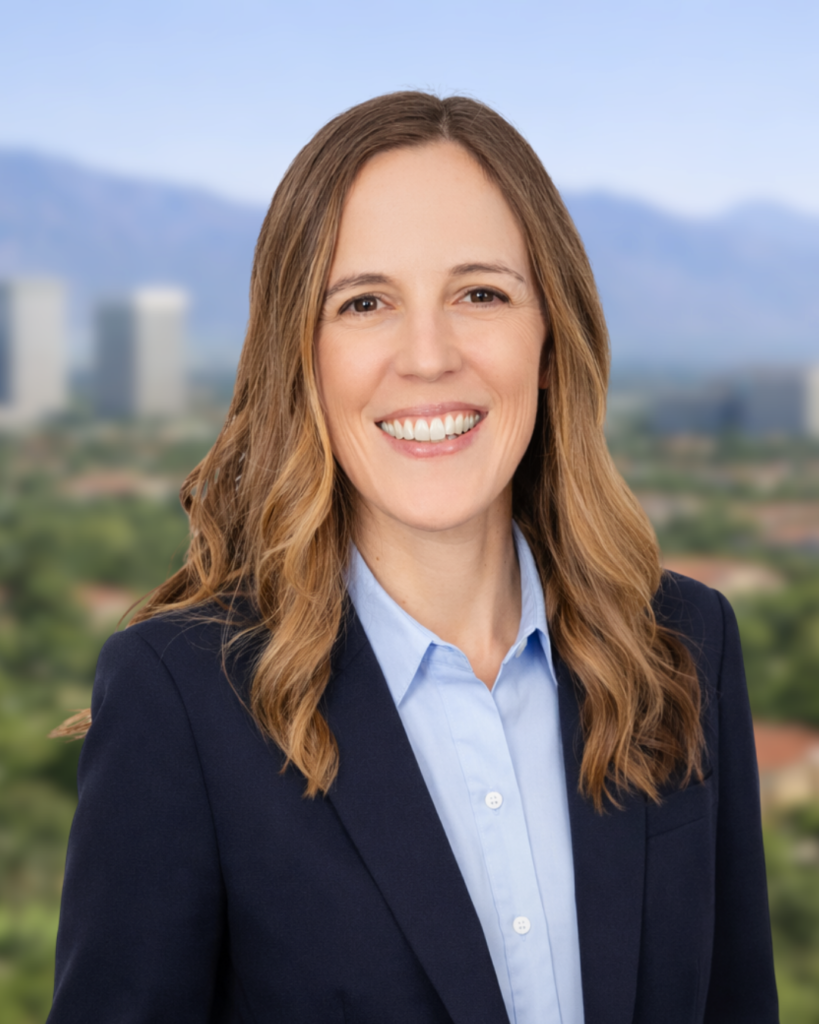
Katie A. Lindsey, Esq.
SENIOR ASSOCIATE
Katie Lindsey is an attorney with extensive expertise in estate planning, trust administration, and probate law.